River Redhorse
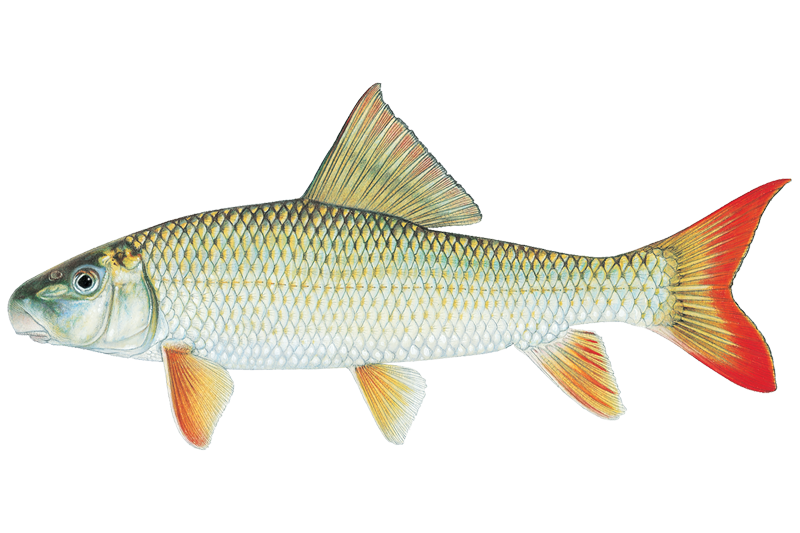
River Redhorse are large freshwater suckers that reach impressive sizes in Kentucky waters. Kentucky harbors apparently secure populations of River Redhorse, particularly in the central Mississippi basin region.
These late-maturing, long-lived fish can reach 28 years old and are excellent indicators of clean, healthy river ecosystems.
Scientific Name: Moxostoma carinatum
- Mature specimens typically exceeding 20 inches and weights of 5-10 pounds.
- They're distinguished by their brassy orange to copper-colored bodies with olive backs, large flat-topped heads, deeply plicate lips without cross striations, and distinctive bright red dorsal and caudal fins.
Fishing in Kentucky
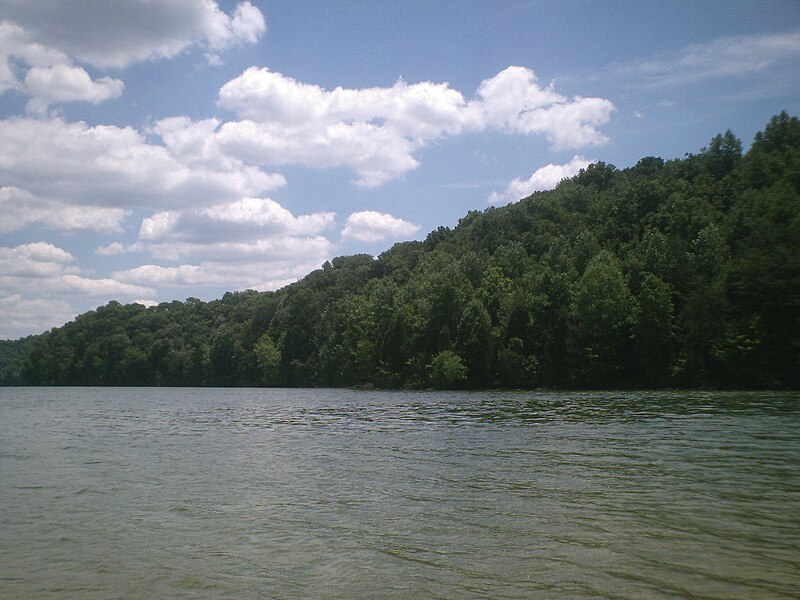
Herrington Lake
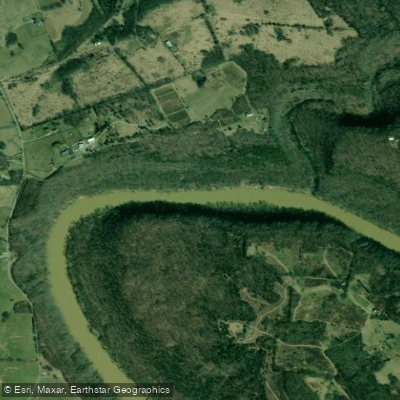
Kentucky River

North Elkhorn Creek
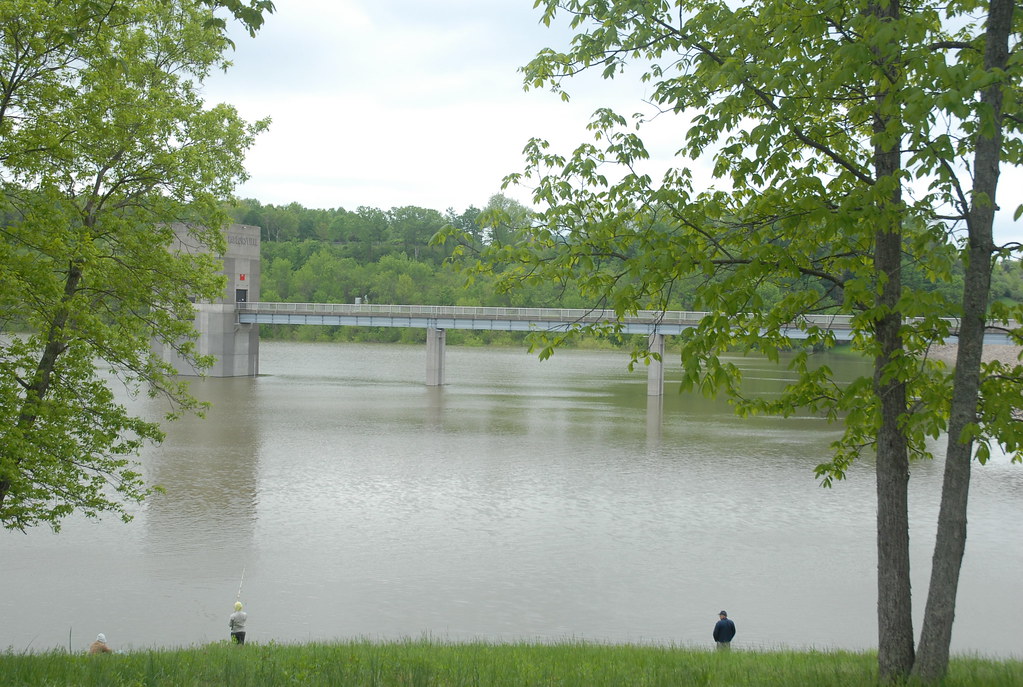
Taylorsville Lake
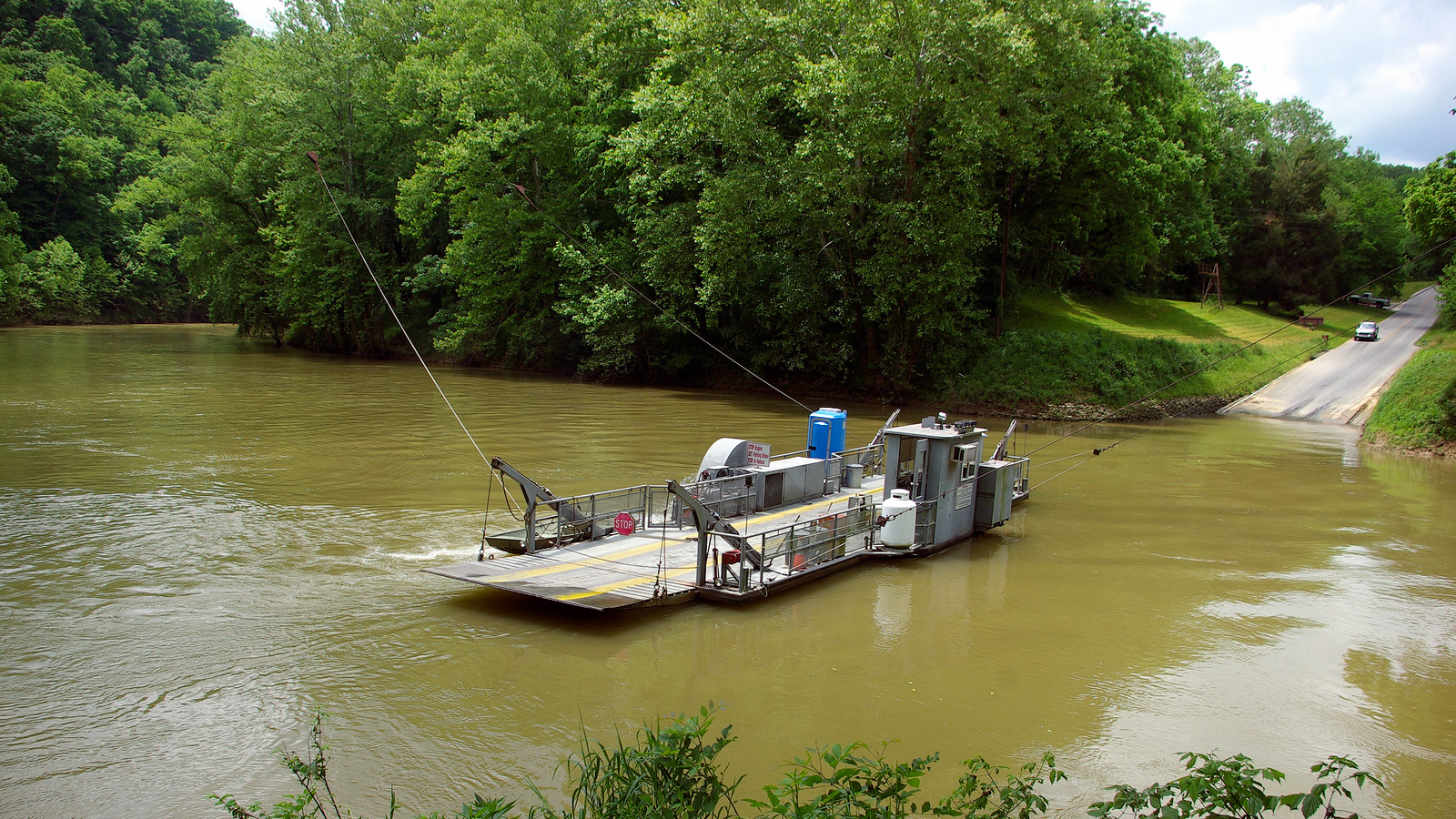
Green River
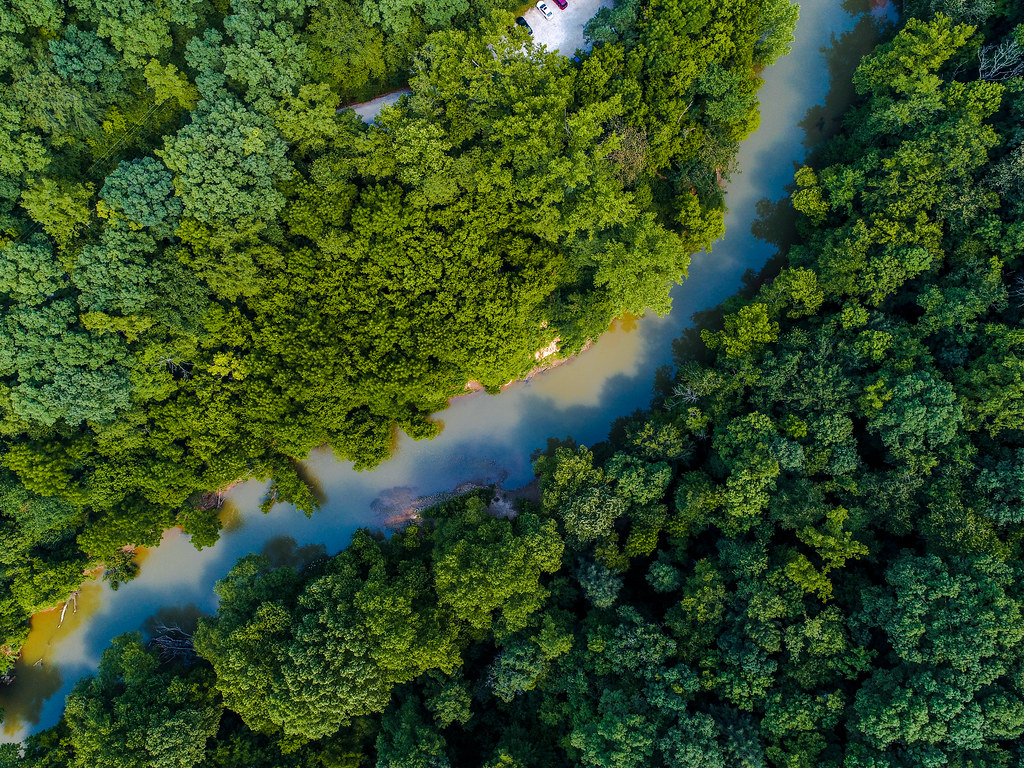
Red River
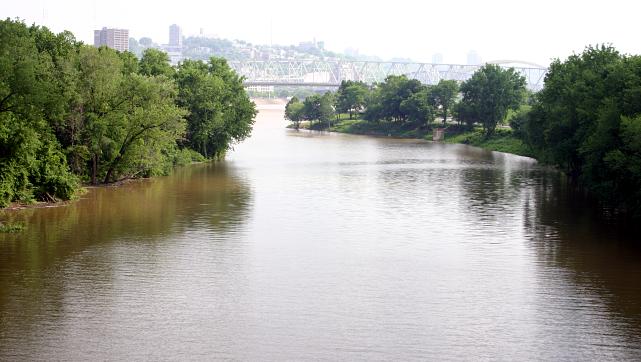
Licking River
Rockcastle River
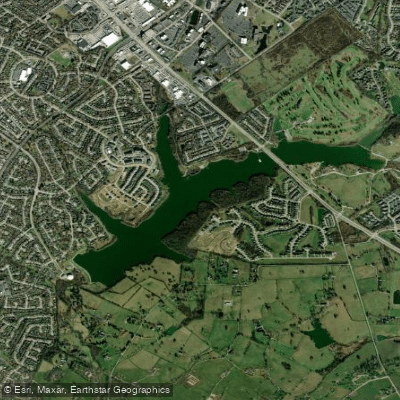
Lexington Reservoir Number 4
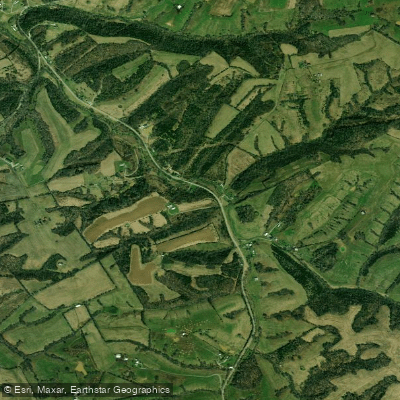
Salt River
What to know
Habitat Distribution
- They inhabit medium to large rivers with moderate to swift currents, clean gravel or cobble substrates, and deep run habitats typically 1-10 feet deep.
Key Locations
- In Kentucky, they're found in major river systems including the Ohio River, Mississippi River, and their tributaries.
- Kentucky's major river systems including the Ohio River and its tributaries offer the best opportunities.
Specific Spots
- Target areas with moderate to strong current over gravel or cobble substrates in medium to large rivers.
- Look for long, deep run habitats.
- Outside spawning periods, they utilize deeper pool habitats.
River Redhorse FAQ
Answers from onWater's species guide.
What are the best lures and bait for River Redhorse in Kentucky?
Nightcrawlers are most effective, though crayfish, cut clam, small shiners, and pieces of shrimp also work well.
What flies work for River Redhorse in Kentucky?
Size 10-12 black nymphs, beaded woolly buggers, clouser minnows, stonefly imitations, clam flies, and crawfish patterns.
When is the best time to fish for River Redhorse in Kentucky?
Late spring through early fall when they're most active, avoiding the late May through June spawning period. They are comparatively late spawners among suckers, typically spawning in late spring when water temperatures reach 68-74°F.
How do you catch River Redhorse in Kentucky?
Bottom-fishing techniques, centerpin float-fishing method is particularly effective, allowing bait to drift naturally downstream while brushing the bottom.
What do River Redhorse eat?
These bottom-feeding fish have specialized molar-like pharyngeal teeth perfect for crushing their preferred prey of mollusks, which comprise about 25% of their diet - higher than any other sucker species. They also feed on crayfish, aquatic insect larvae, snails, and crustaceans.
Fish smarter with real-time insights
Whether you're en route and conditions shift or you're looking for the best spot based on current flows, we enable you to make informed decisions on the fly.




See it in the app
Most maps show you water.
onWater shows you River Redhorse.



- 01 · Species map filter
Map every River Redhorse water
Pick River Redhorse and the map zeroes in on the waters they call home. No more guessing which lake holds them.
- 02 · Waterbody species
Tap any water. See what lives there.
Species, behavior and seasonal patterns for every lake, river and pond, before you leave the driveway.
- 03 · Angler Intelligence
Ask how to catch River Redhorse
Tactics, gear and timing from onWater's AI fishing guide, tuned to the species and the water you're on.
Stop guessing where River Redhorse are.
Open the map, filter by River Redhorse, and head to water that holds them. Download onWater and plan your next trip in minutes.
- Species map filter
- Angler Intelligence
- Fishing journal
Explore other species
Trout, bass, salmon, panfish and everything in between. Each guide unpacks the behavior, seasons, and tactics that put fish in the net.
No species information available.
Kentucky licenses and regulations
Explore nearby waters
Explore Kentucky waters
Top fishing waters
Popular Cities
Loading popular cities...

Smarter Fishing Starts in the App.
onWater Fish gives you everything you need to plan smarter, fish better, and own every trip from first cast to last.