Orangespotted Sunfish

The Orangespotted Sunfish is one of the smallest members of the sunfish family in Kentucky.
These fish are ecologically unique among sunfish, thriving in turbid, shallow systems with low oxygen content and higher tolerance to pollution than other sunfish species.
Scientific Name: Lepomis humilis
- Typically reaching 3-6 inches with a maximum length around 6 inches.
- These fish are distinguished by their olive-colored sides with fine golden or emerald dots, vivid orange spots along their sides, and spawning males that develop orange-red lines on cheeks and gill covers with reddish bellies.
Fishing in Kentucky
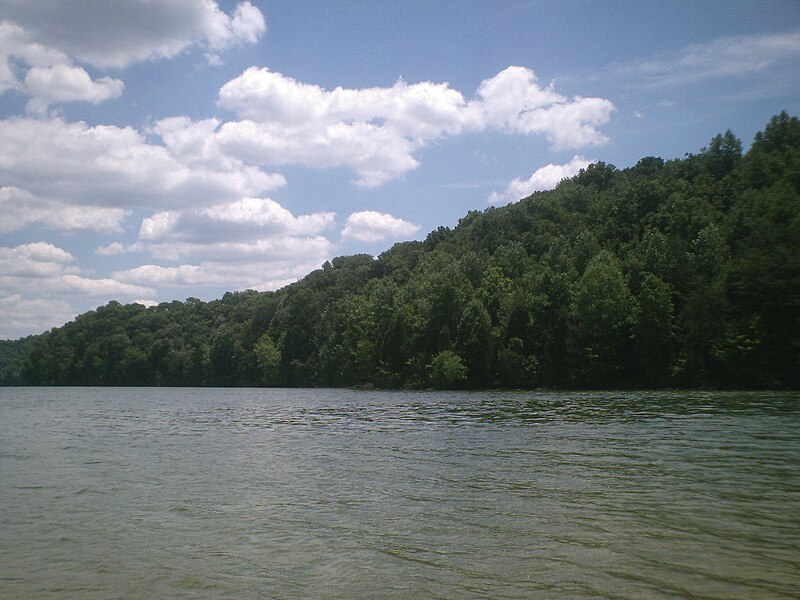
Herrington Lake
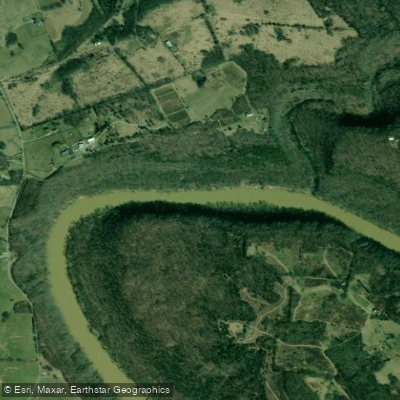
Kentucky River

North Elkhorn Creek
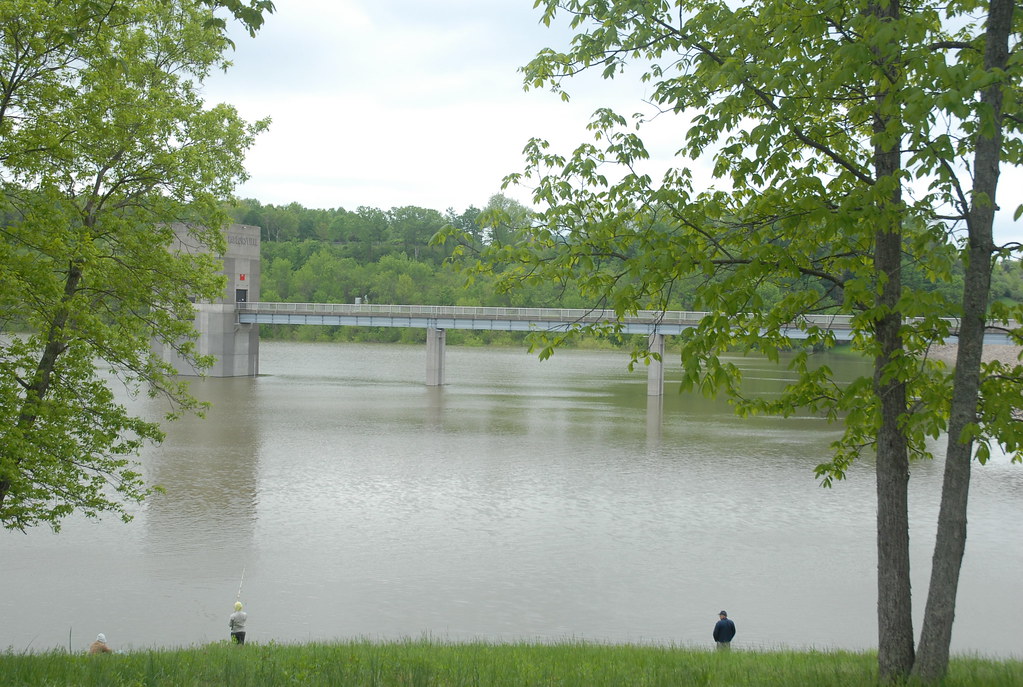
Taylorsville Lake
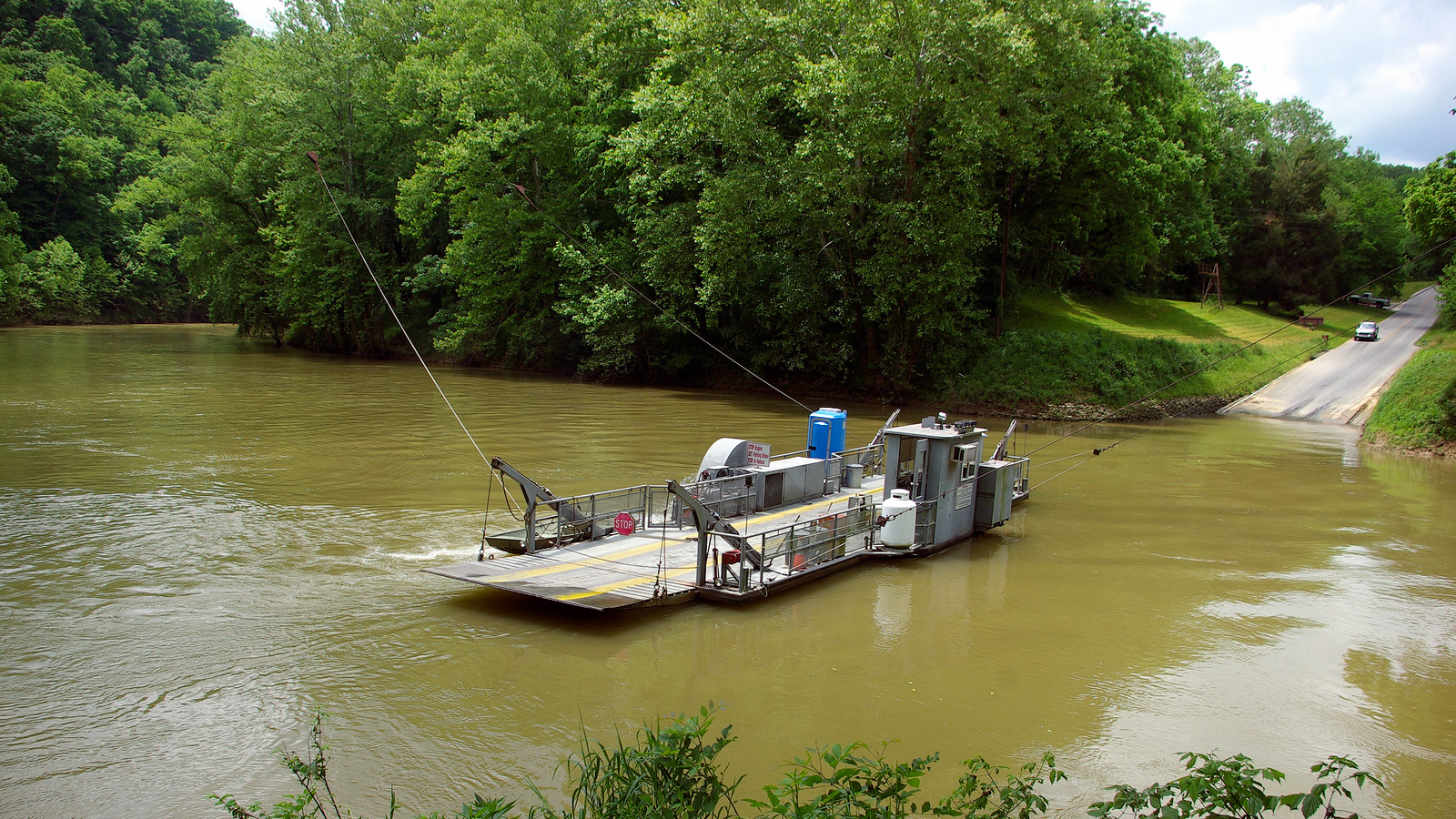
Green River
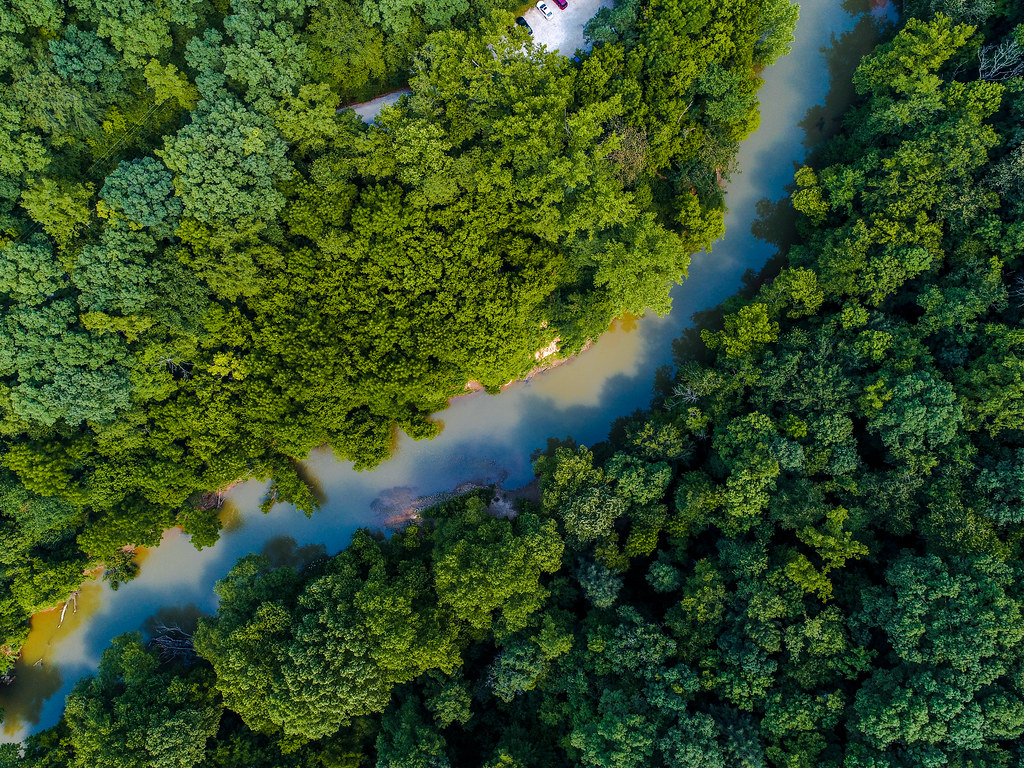
Red River

Licking River
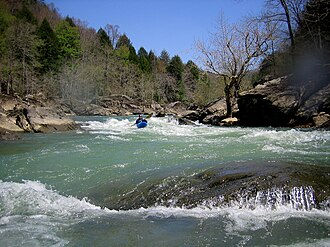
Rockcastle River
Lexington Reservoir Number 4
Salt River
What to know
Habitat Distribution
- They prefer quiet pools in creeks and small to large rivers, often near brush and structure, and are commonly found in areas with gravel or sandy bottoms.
Key Locations
- In Kentucky, they're found primarily in the Licking River drainage system, with documented occurrences dating back to 1962.
Specific Spots
- Focus on quiet pools in streams and rivers, particularly areas with turbid water and brush cover.
- Focus on areas with fine substrates like sand or gravel, and fish near structure such as brush piles or submerged wood.
Orangespotted Sunfish FAQ
Answers from onWater's species guide.
What are the best lures and bait for Orangespotted Sunfish in Kentucky?
Small jigs tipped with live bait like wax worms, red worms, or crickets are highly effective. Small spinners and tiny crankbaits can also be productive.
What flies work for Orangespotted Sunfish in Kentucky?
Small patterns work best - try size 14 Frenchie Egans, Zebra Midges in black or red, and Bett's Bream Madness poppers. The Bully Bluegill fly in chartreuse is particularly effective for lepomids like Orangespotted Sunfish.
When is the best time to fish for Orangespotted Sunfish in Kentucky?
Spring through early fall when they're most active, avoiding spawning periods in late spring and early summer. The best fishing occurs as spring warms into summer when water temperatures reach the 50s and above.
How do you catch Orangespotted Sunfish in Kentucky?
Present flies with a stop-and-go erratic twitching retrieve. When using flies on spinning tackle, attach them with an 18-inch leader to a clear casting float, or add split shot for casting weight. Since these fish stay relatively close to the bottom, ensure baits are within 1-2 inches of the substrate.
What do Orangespotted Sunfish eat?
Their diet consists primarily of microcrustaceans, aquatic insect larvae (especially chironomid dipterans), zooplankton, and small invertebrates.
Fish smarter with real-time insights
Whether you're en route and conditions shift or you're looking for the best spot based on current flows, we enable you to make informed decisions on the fly.




See it in the app
Most maps show you water.
onWater shows you Orangespotted Sunfish.



- 01 · Species map filter
Map every Orangespotted Sunfish water
Pick Orangespotted Sunfish and the map zeroes in on the waters they call home. No more guessing which lake holds them.
- 02 · Waterbody species
Tap any water. See what lives there.
Species, behavior and seasonal patterns for every lake, river and pond, before you leave the driveway.
- 03 · Angler Intelligence
Ask how to catch Orangespotted Sunfish
Tactics, gear and timing from onWater's AI fishing guide, tuned to the species and the water you're on.
Stop guessing where Orangespotted Sunfish are.
Open the map, filter by Orangespotted Sunfish, and head to water that holds them. Download onWater and plan your next trip in minutes.
- Species map filter
- Angler Intelligence
- Fishing journal
Explore other species
Trout, bass, salmon, panfish and everything in between. Each guide unpacks the behavior, seasons, and tactics that put fish in the net.
No species information available.
Kentucky licenses and regulations
Explore nearby waters
Explore Kentucky waters
Top fishing waters
Popular Cities
Loading popular cities...

Smarter Fishing Starts in the App.
onWater Fish gives you everything you need to plan smarter, fish better, and own every trip from first cast to last.