Striped Mullet

The Striped Mullet (Mugil cephalus), known as 'Ama'ama in Hawaiian, is one of only two native mullet species in Hawaii and the largest of the three mullet species found in Hawaiian waters.
These indigenous fish are highly valued in Hawaiian culture and were historically prized by royalty.
Scientific Name: Mugil cephalus
Also known as Ama'ama in Hawaiian
Can reach up to 27 inches fork length and 10 pounds, though average size is closer to 20 inches. They're characterized by distinctive dark longitudinal stripes formed by spots on each scale, small scales, blue coloration, and a clear adipose eyelid membrane.
Fishing in Hawaii
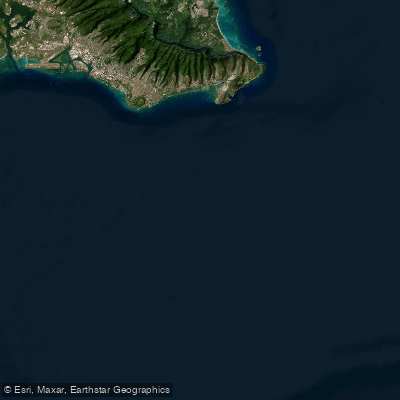
Kaiwi Channel
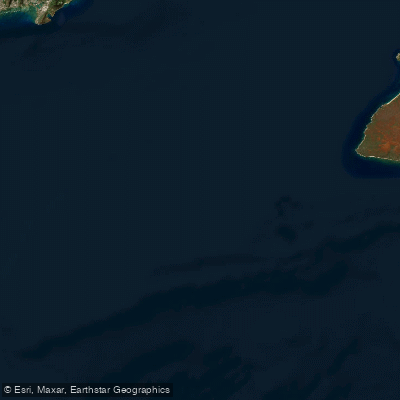
Penguin Bank
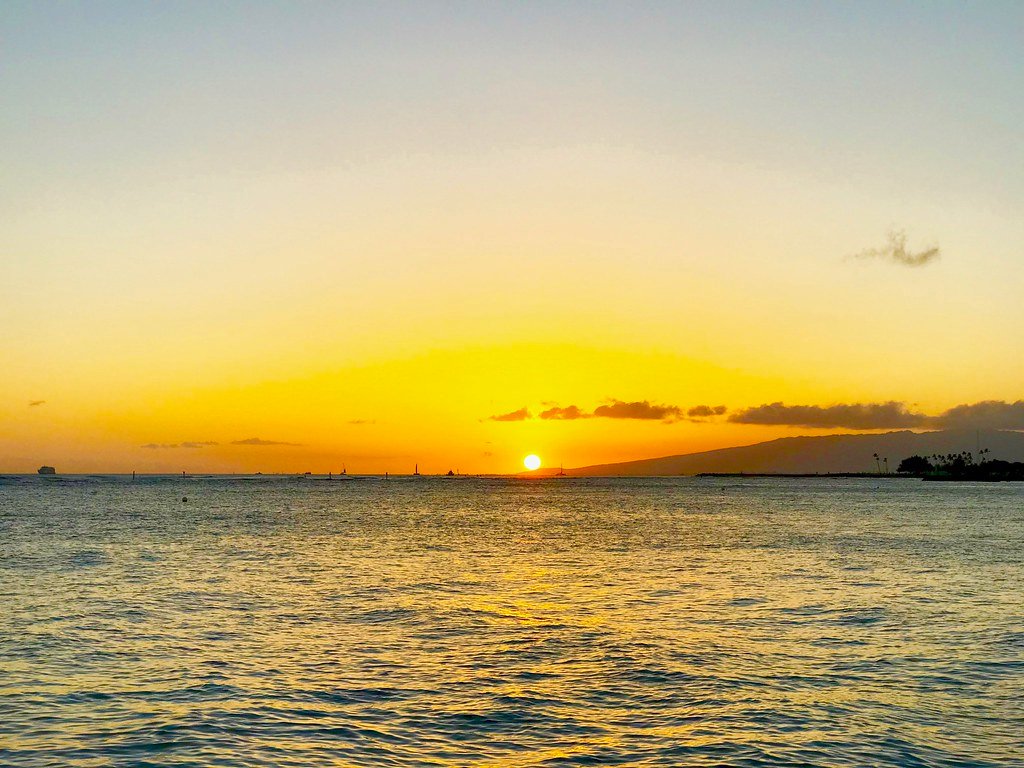
Mamala Bay
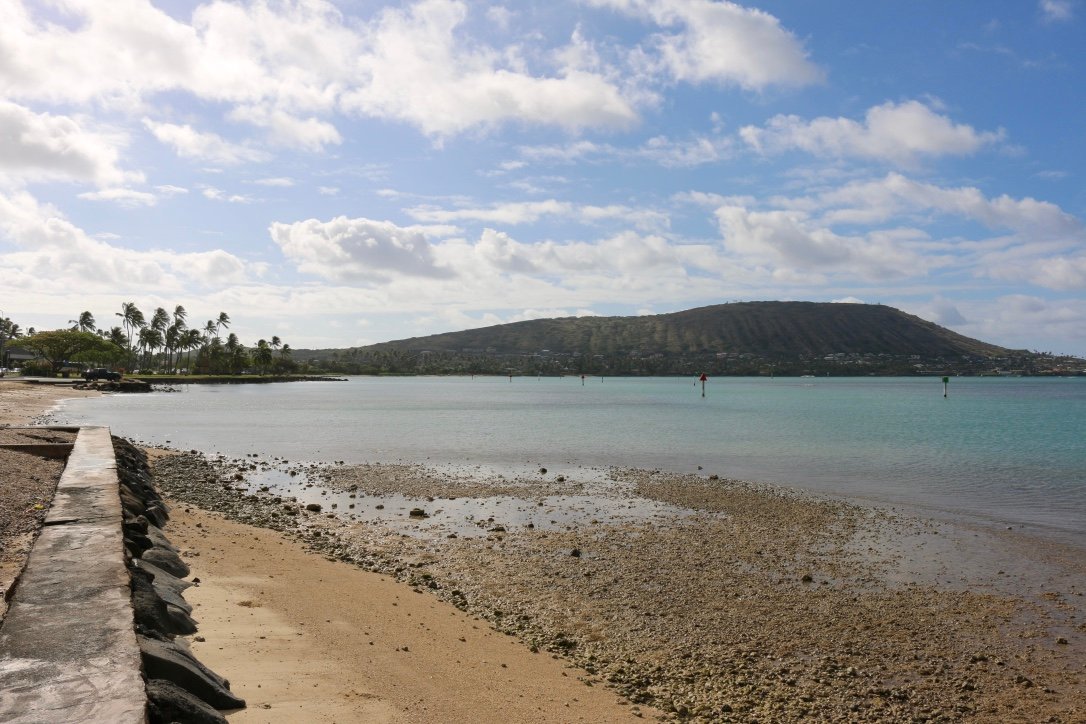
Maunalua Bay
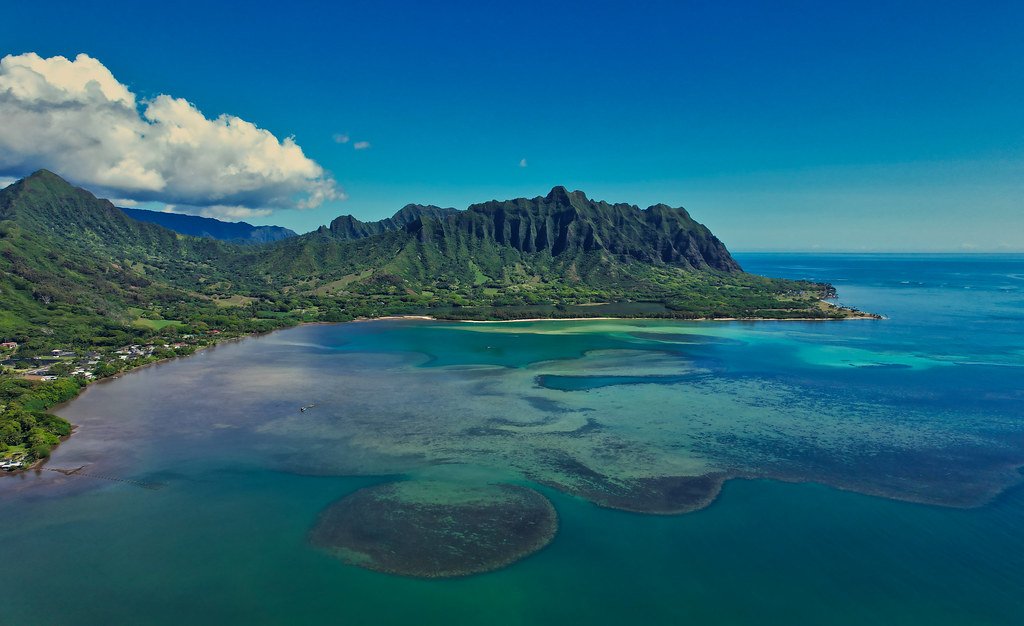
Kaneohe Bay
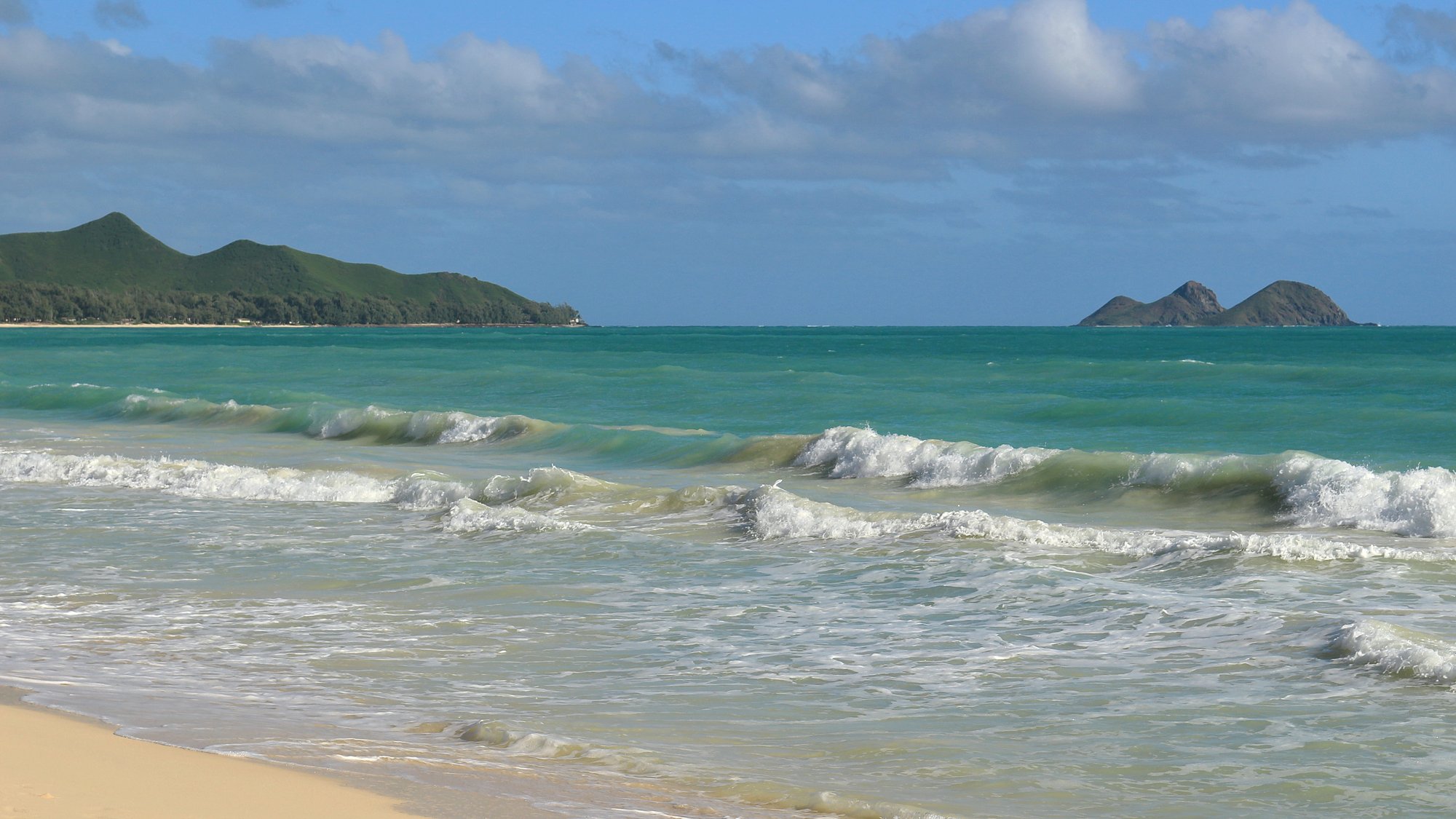
Waimanalo Bay
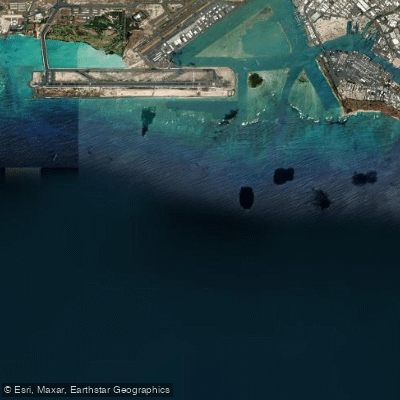
Mämala Bay
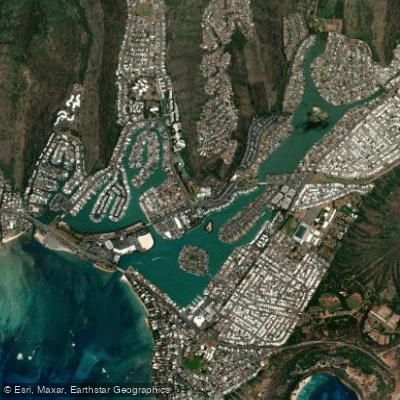
Kuapa Pond
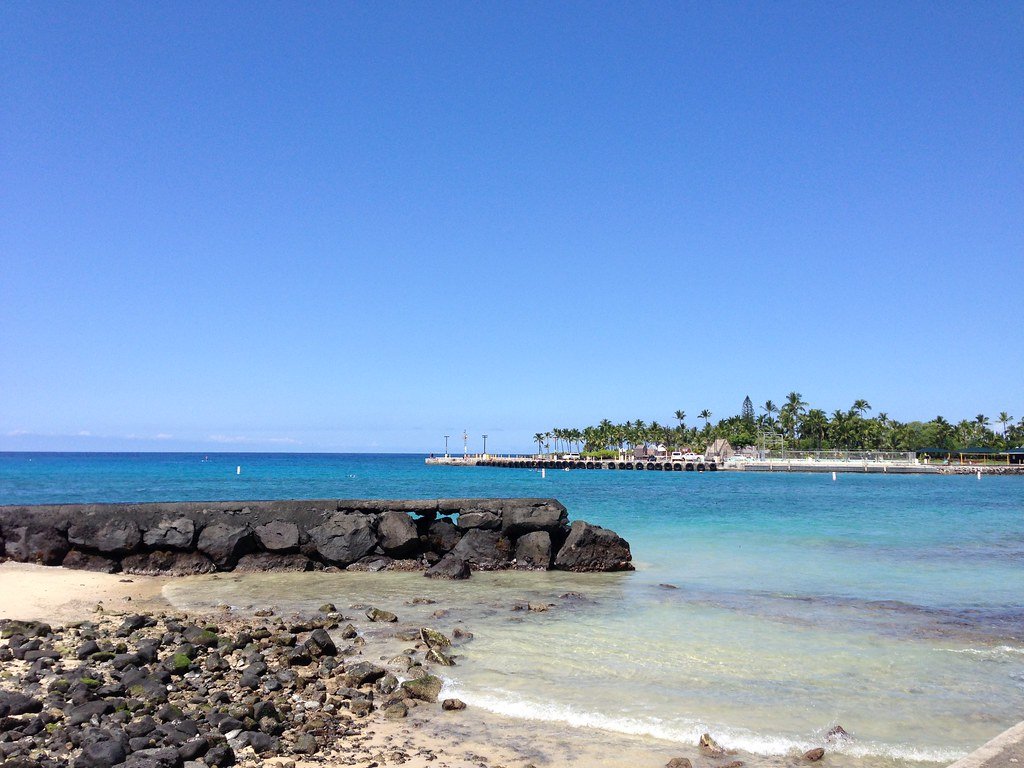
Kailua Bay
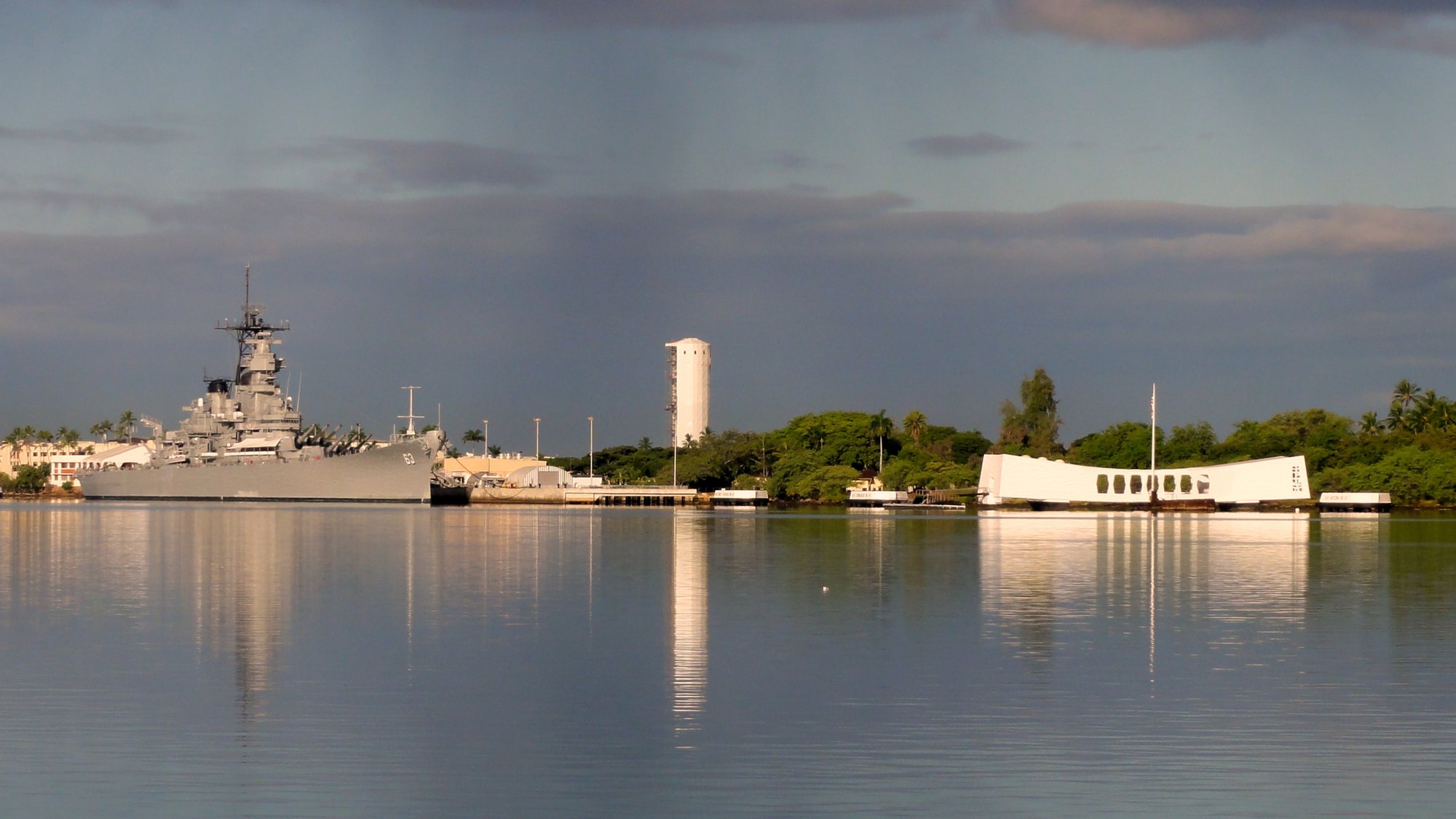
Pearl Harbor
What to know
Habitat Distribution
These fish inhabit estuaries, streams, marine coastal areas, and reef environments throughout all Hawaiian Islands. They're found in both freshwater and saltwater, showing remarkable salinity tolerance.Key Locations
Hilo Harbor system (Wailoa River, Waiākea Pond), He'eia estuary on Oahu, and various stream mouths and protected bays throughout the islands. The most productive and unique fishery exists in Hilo Harbor, particularly the Wailoa River estuary and Waiākea Pond Public Fishing Area.Specific Spots
Calm estuarine waters, brackish bays, and areas with freshwater outflowStriped Mullet FAQ
Answers from onWater's species guide.
What are the best lures and bait for Striped Mullet in Hawaii?
Chain diatoms (Melosira tropicalis) - algae masses collected from shallow areas, particularly the chain diatom that's swirled around hooks until fibers cling. Alternative baits include dough balls made from cooked oatmeal or bread mixed with algae, frozen peas, and moss.
When is the best time to fish for Striped Mullet in Hawaii?
Prime fishing season for 'Ama'ama is April through November, as they're protected during spawning season (December 1st to March 31st).
How do you catch Striped Mullet in Hawaii?
The specialized Hilo technique uses tandem hooks spaced about 2 inches apart, with a delicately balanced bobber system that suspends bait about 6 inches off the bottom. This requires immediate hook-setting at the slightest bobber movement, as mullet have soft mouths and are easily spooked.
What do Striped Mullet eat?
Their diet consists primarily of algae, diatoms, and detritus from bottom sediments - they're essentially vegetarian grazers that use specialized gizzard-like stomachs to process plant matter.
Where do Striped Mullet live in Hawaii?
These fish inhabit estuaries, streams, marine coastal areas, and reef environments throughout all Hawaiian Islands. They're found in both freshwater and saltwater, showing remarkable salinity tolerance.
Fish smarter with real-time insights
Whether you're en route and conditions shift or you're looking for the best spot based on current flows, we enable you to make informed decisions on the fly.







See it in the app
Most maps show you water.
onWater shows you Striped Mullet.



- 01 · Species map filter
Map every Striped Mullet water
Pick Striped Mullet and the map zeroes in on the waters they call home. No more guessing which lake holds them.
- 02 · Waterbody species
Tap any water. See what lives there.
Species, behavior and seasonal patterns for every lake, river and pond, before you leave the driveway.
- 03 · Angler Intelligence
Ask how to catch Striped Mullet
Tactics, gear and timing from onWater's AI fishing guide, tuned to the species and the water you're on.
Stop guessing where Striped Mullet are.
Open the map, filter by Striped Mullet, and head to water that holds them. Download onWater and plan your next trip in minutes.
- Species map filter
- Angler Intelligence
- Fishing journal
Explore other species
Trout, bass, salmon, panfish and everything in between. Each guide unpacks the behavior, seasons, and tactics that put fish in the net.
No species information available.
Hawaii licenses and regulations

Hawaii Boating Regulations
When using any type of watercraft to access a body of water, it is important to follow all federal, state, and local rules and regulations. These rules and regulations include boat permitting and licensing, invasive species inspections and stamps, life jacket and PFD rules, motor size and horsepower restrictions, noise limitations, restrictions on personal watercraft, and many more. Visit the web link below for the most current rules and regulations for this body of water.

Hawaii Fishing License
There is no marine recreational fishing license in Hawaii for residents and non-residents. Residents over 15 years of age, military personnel on active duty in the State and their spouse and dependents over 15 years of age. All minors between nine and 15 years of age no charge. Minors below nine years of age may fish without a license when accompanied by a licensee.

Hawaii Fishing Regulations
This state has a variety of species and regulations, including potential floating and/or watercraft restrictions. Because this state is specially managed for species, seasons, angling methods, and watercraft, it is strongly encouraged you check all federal, state, and local regulations before fishing. Visit any of the links below, inquire locally, or contact a local fly shop to learn current regulations and restrictions.

Hawaii Stream Access Laws
The public trust provisions of the state Constitution provide for broad access to Hawaii's waterways. There are, however, restrictions. Among them, Hawaii statute provides that “no person shall anchor, moor, or otherwise place any vessel, houseboat, or other contrivance on or within the ocean waters or navigable streams of the state without a permit from the Department of Land and Natural Resources.” However, this statute provides an exception for “pleasure craft or fishing vessels temporarily anchored for a period of less than seventy-two hours.
Explore nearby waters
Explore Hawaii waters
Top fishing waters
Popular Cities
Loading popular cities...

Smarter Fishing Starts in the App.
onWater Fish gives you everything you need to plan smarter, fish better, and own every trip from first cast to last.