White Bass
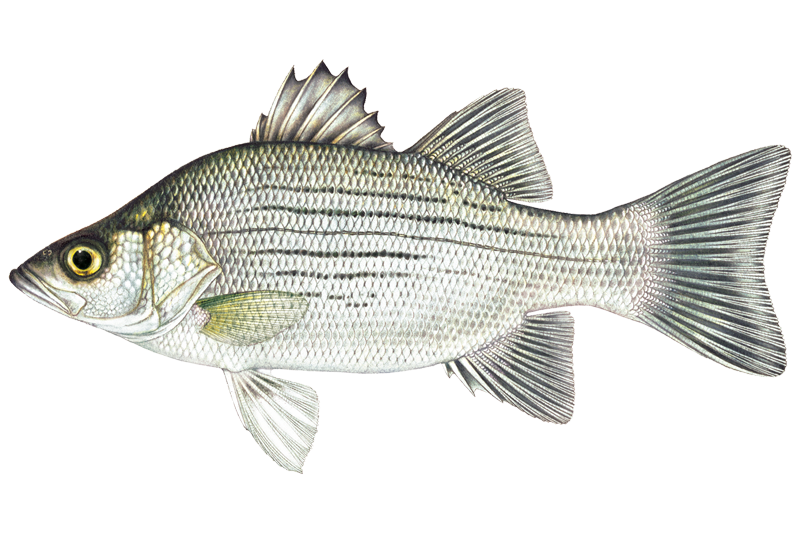
White Bass are a non-native species in Colorado, introduced to select reservoirs to enhance fishing opportunities. These silvery, schooling temperate bass are aggressive, open-water fish that spend their lives chasing schools of baitfish in open water.
Scientific Name: Morone chrysops
- Silvery, schooling temperate bass distinguishable from striped bass by having only one tooth patch on their tongue (versus two in striped bass).
- Typically measure 12-15 inches and weigh around 1 pound, though specimens up to 6.8 pounds have been recorded.
Fishing in Colorado
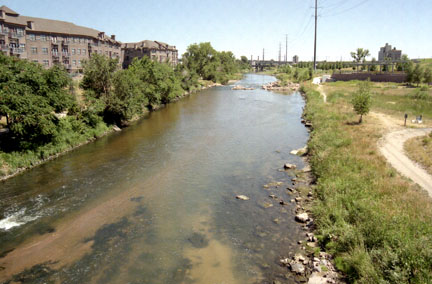
South Platte River
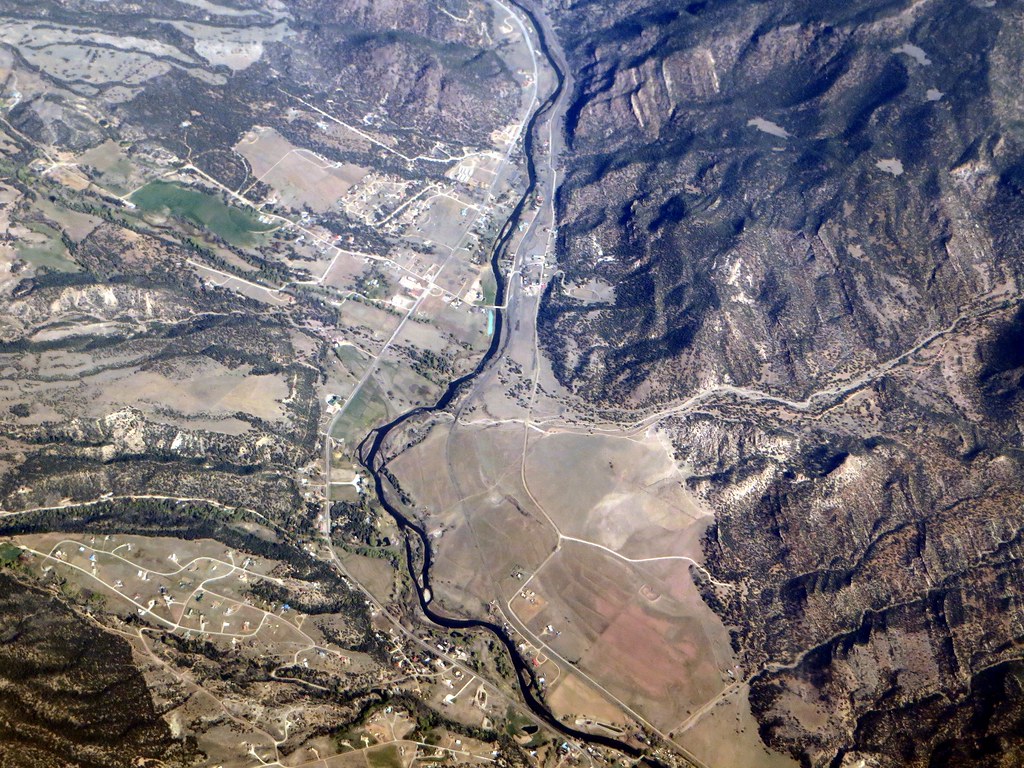
Arkansas River
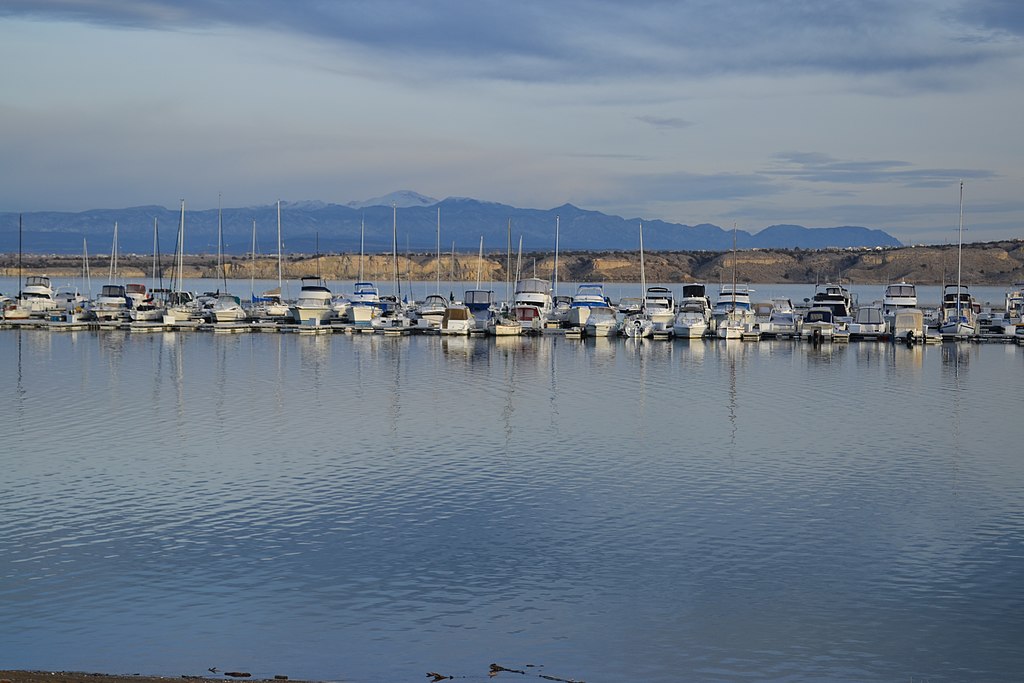
Pueblo Reservoir
Tarryall Creek
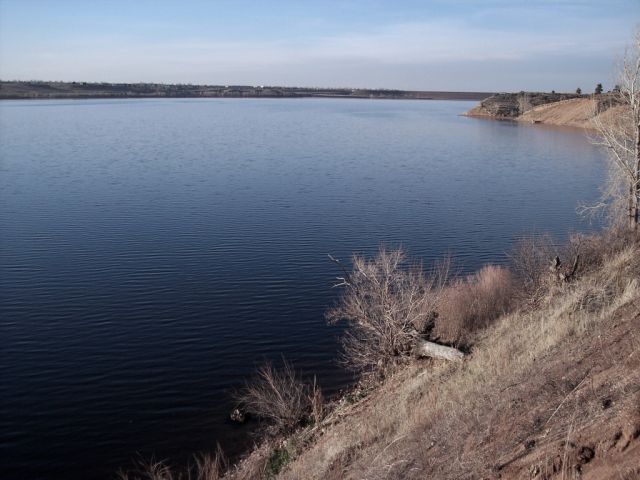
Chatfield Lake
Cherry Creek
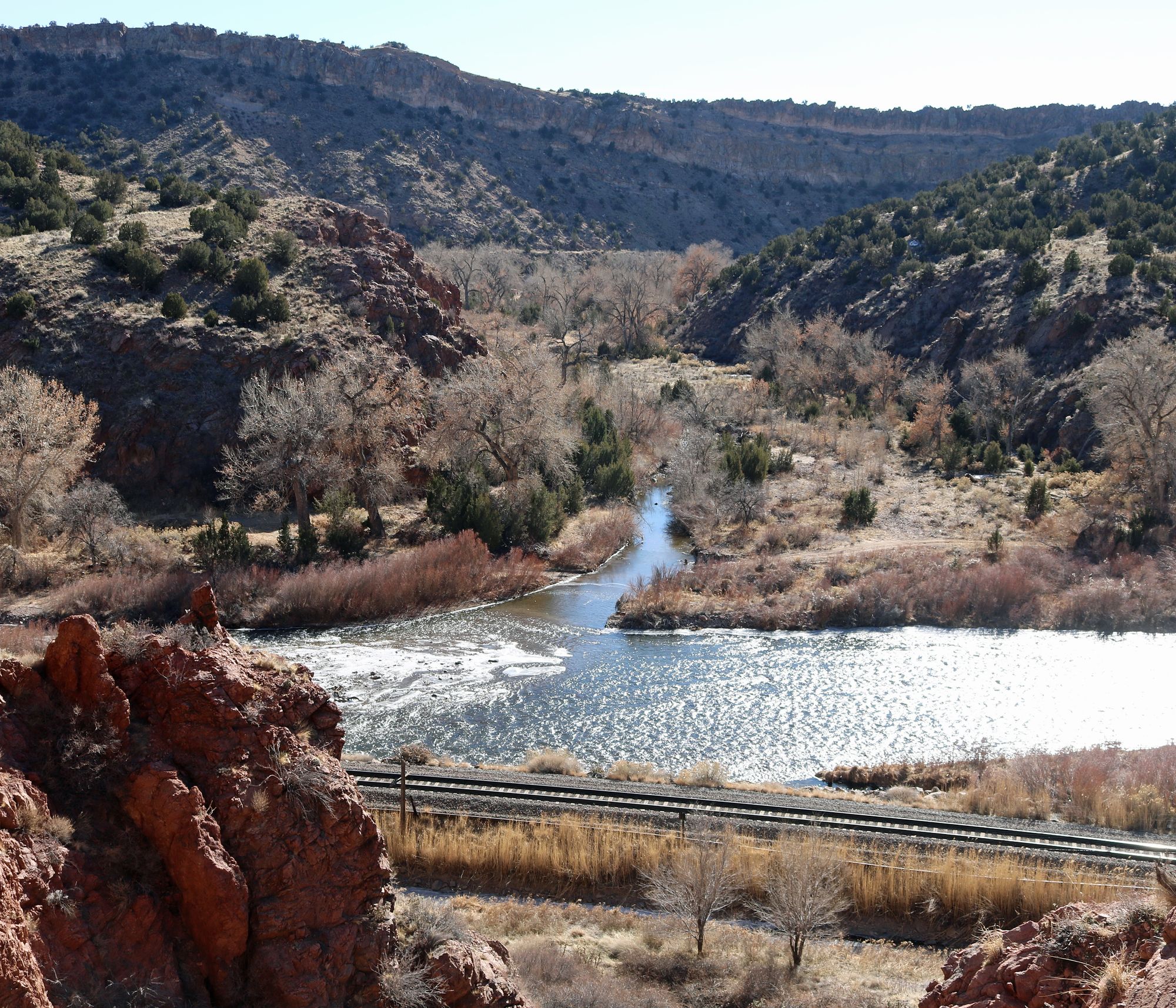
Grape Creek
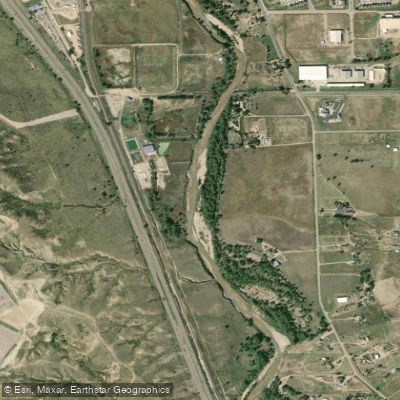
Fountain Creek
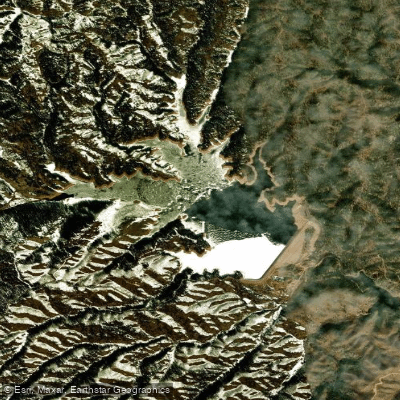
Rampart Reservoir
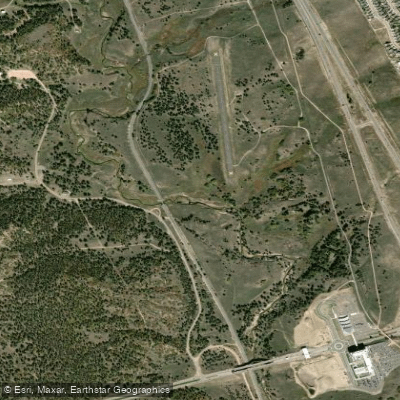
Monument Creek
What to know
Habitat Distribution
- Found in limited waters in Colorado.
- Open-water fish found in reservoirs.
Key Locations
- Boyd Lake, Horsetooth Reservoir, John Martin Reservoir, Boedecker Reservoir, and Lon Hagler Reservoir.
- Boyd Lake is particularly renowned as arguably the best Colorado fishery for White Bass.
- Boyd Lake offers excellent White Bass fishing year-round, while other Colorado reservoirs like Horsetooth and John Martin provide good opportunities.
Specific Spots
- Tributary streams and rivers with current or wind-swept shorelines during spawning.
- Transitional areas where water changes from deep to shallow, sandbars, points, and tributary mouths.
White Bass FAQ
Answers from onWater's species guide.
What are the best lures and bait for White Bass in Colorado?
Flashy lures that mimic baitfish - jigs, spoons, spinners, and crankbaits in white, chartreuse, or silver colors. Small crankbaits, curly tail grubs on jig heads, and slab-type lures work exceptionally well.
What flies work for White Bass in Colorado?
Clouser Minnows, white Woolly Buggers with bead heads, and other small baitfish imitations.
When is the best time to fish for White Bass in Colorado?
Prime White Bass season in Colorado runs from April through October, with spring spawning runs (April-May) offering the most exciting action when they're extremely aggressive and school in large numbers. Spring fishing peaks when water temperatures reach 50-60°F and coincides with redbud blooming.
How do you catch White Bass in Colorado?
Focus on transitional areas where water changes from deep to shallow, sandbars, points, and tributary mouths. They often feed just below or at the level of their prey. Early morning and evening fishing typically produces the best results.
What do White Bass eat?
Piscivorous predators that feed primarily on shad, silversides, and occasionally young sunfish as adults. Juveniles consume small invertebrates, crustaceans, and midge larvae.
Fish smarter with real-time insights
Whether you're en route and conditions shift or you're looking for the best spot based on current flows, we enable you to make informed decisions on the fly.




See it in the app
Most maps show you water.
onWater shows you White Bass.



- 01 · Species map filter
Map every White Bass water
Pick White Bass and the map zeroes in on the waters they call home. No more guessing which lake holds them.
- 02 · Waterbody species
Tap any water. See what lives there.
Species, behavior and seasonal patterns for every lake, river and pond, before you leave the driveway.
- 03 · Angler Intelligence
Ask how to catch White Bass
Tactics, gear and timing from onWater's AI fishing guide, tuned to the species and the water you're on.
Stop guessing where White Bass are.
Open the map, filter by White Bass, and head to water that holds them. Download onWater and plan your next trip in minutes.
- Species map filter
- Angler Intelligence
- Fishing journal
Explore other species
Trout, bass, salmon, panfish and everything in between. Each guide unpacks the behavior, seasons, and tactics that put fish in the net.
No species information available.
Colorado licenses and regulations
Explore nearby waters
Explore Colorado waters
Top fishing waters
Popular Cities
Loading popular cities...

Smarter Fishing Starts in the App.
onWater Fish gives you everything you need to plan smarter, fish better, and own every trip from first cast to last.