Goldfish

Goldfish (Carassius auratus) are an invasive freshwater species in Colorado, originally native to East Asia.
While not naturally occurring in Colorado waters, they have been documented in scattered locations throughout the state since their introduction through aquarium releases.
Scientific Name: Carassius auratus
These hardy cyprinids can grow much larger in the wild than their aquarium counterparts - reaching up to 16 inches and several pounds when unrestricted by tank size.
Wild goldfish typically display olive green to bronze coloration rather than the bright gold of domestic varieties.
Fishing in Colorado
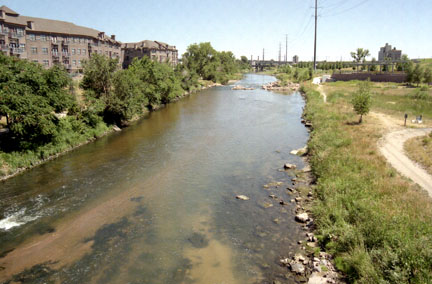
South Platte River
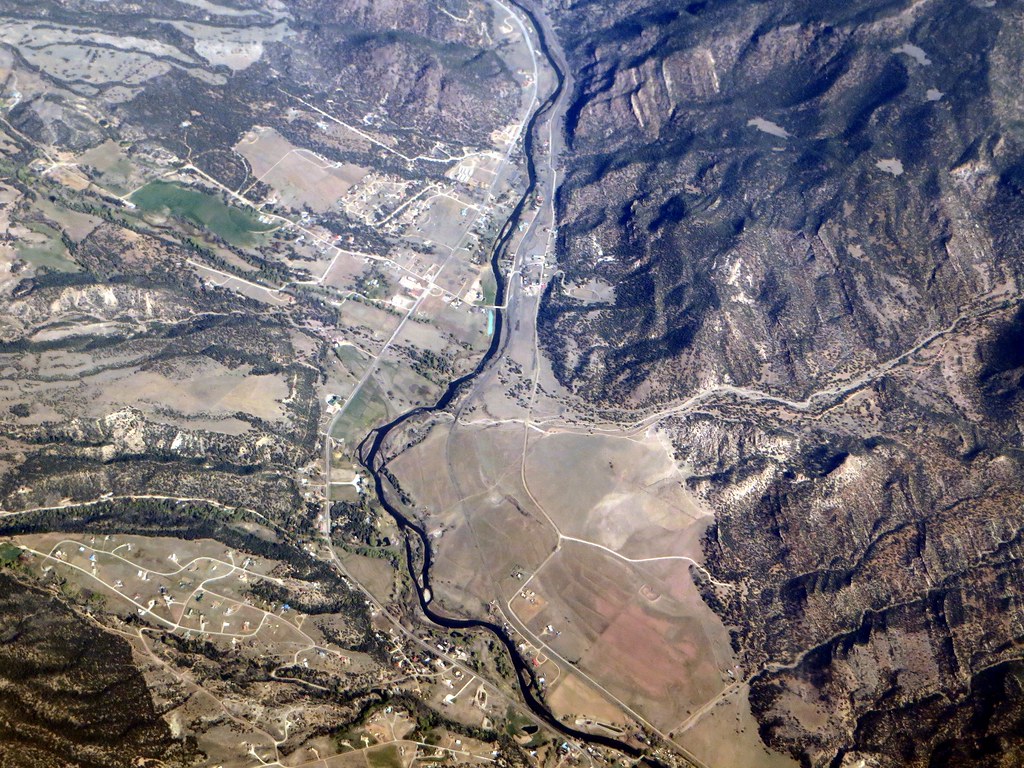
Arkansas River
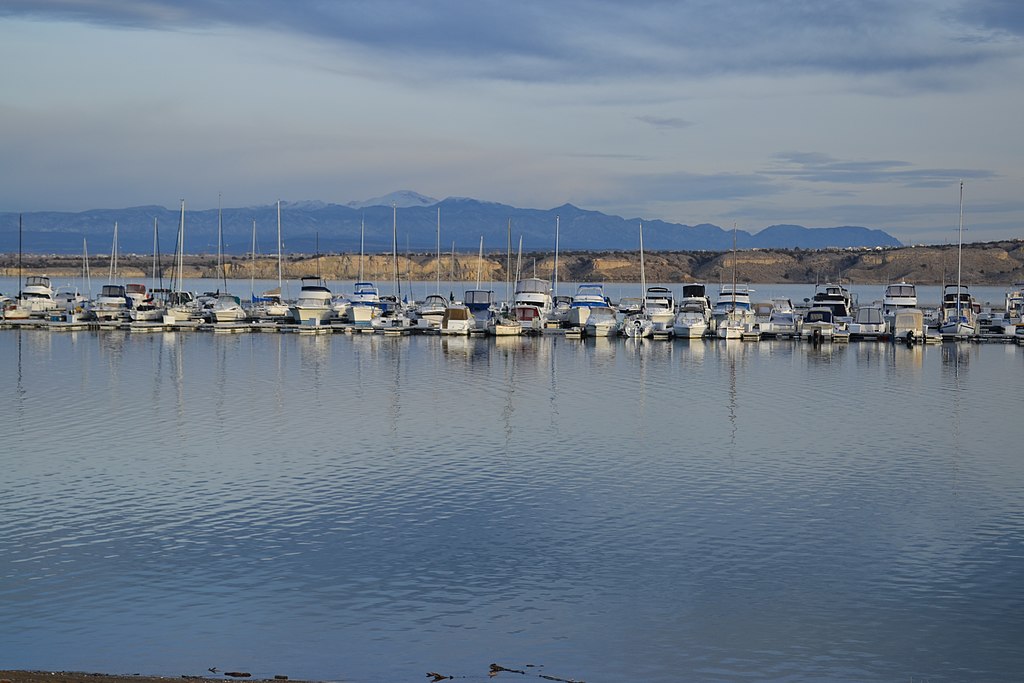
Pueblo Reservoir
Tarryall Creek
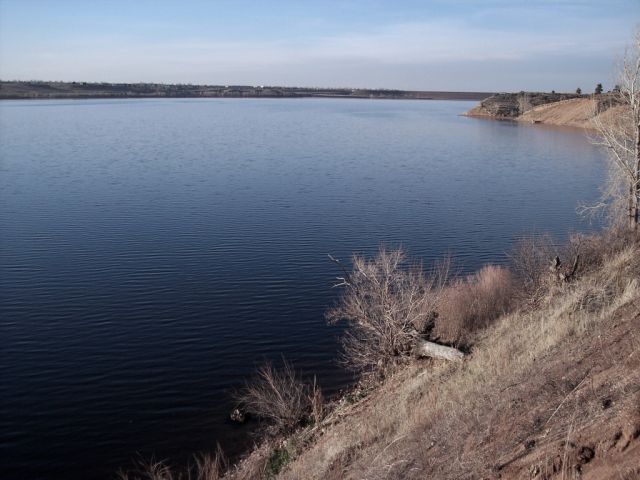
Chatfield Lake
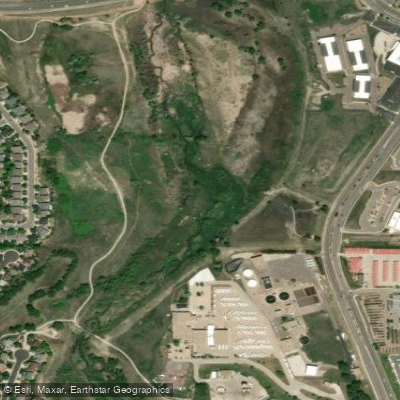
Cherry Creek
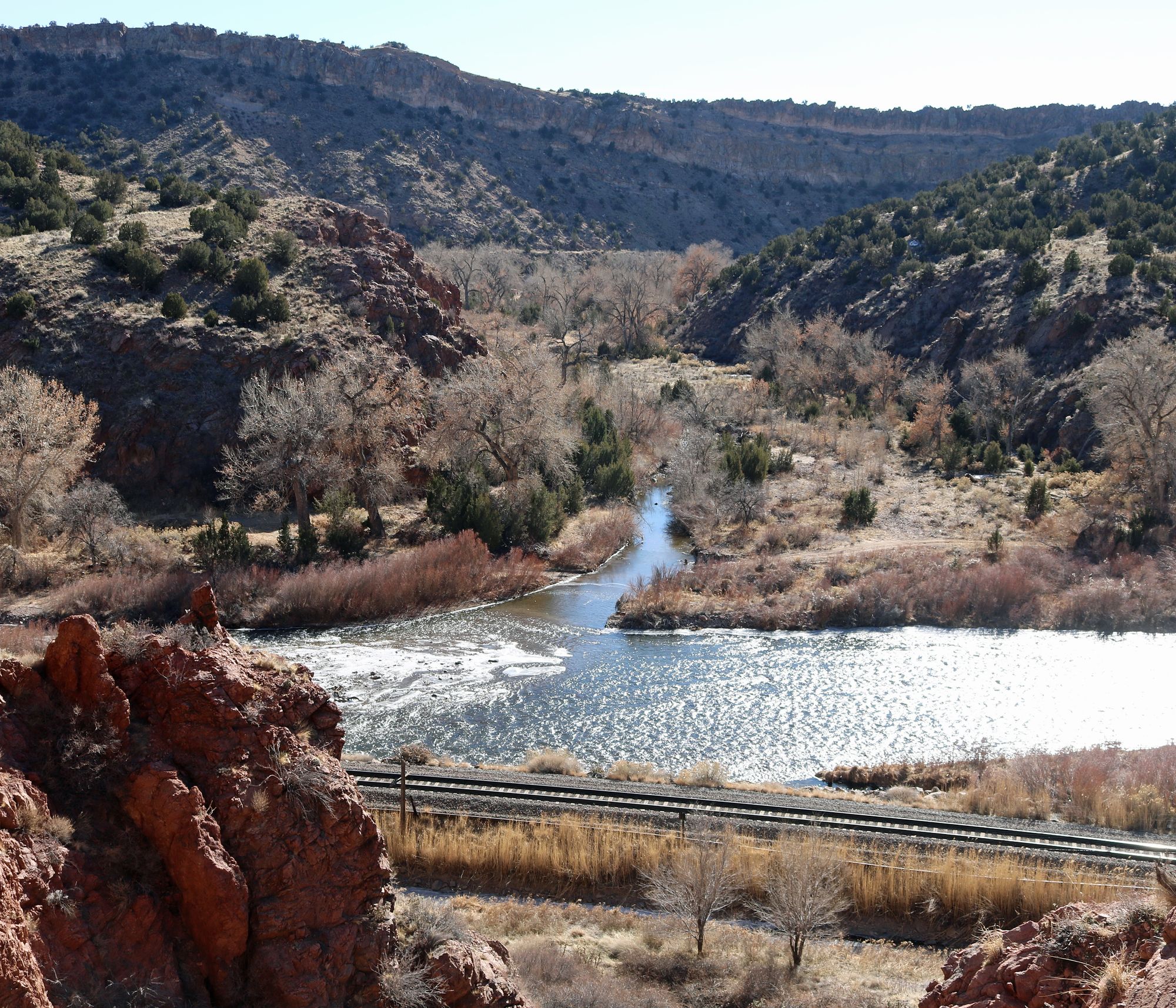
Grape Creek
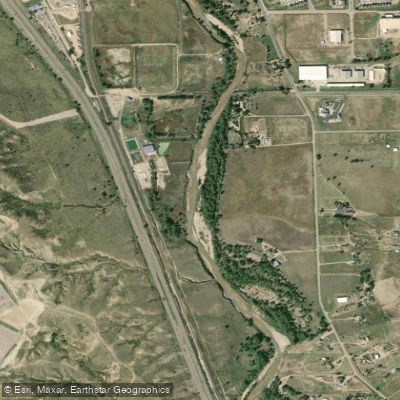
Fountain Creek
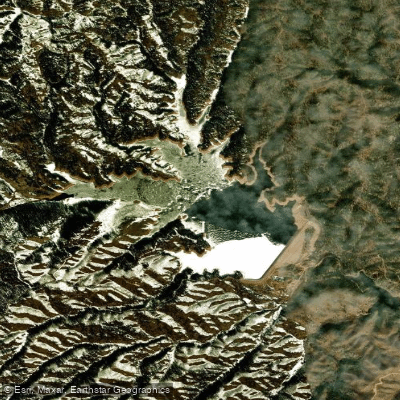
Rampart Reservoir
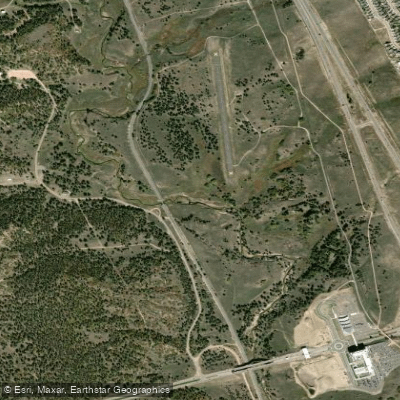
Monument Creek
What to know
Habitat Distribution
They have been documented in scattered locations throughout the state. Look for them in areas with aquatic vegetation where they browse for plant matter and small invertebrates.Key Locations
Urban ponds and reservoirs that have experienced aquarium releases are most likely to harbor goldfish populations, though they've been documented in various Colorado watersheds including some Front Range locations.Specific Spots
Target warm, shallow areas with soft substrate where they forage, including backwaters, ponds, and slow-moving river sections. Look for them in areas with aquatic vegetation. In winter, target deeper areas where they conserve energy.Goldfish FAQ
Answers from onWater's species guide.
What are the best lures and bait for Goldfish in Colorado?
Small spinners, spoons, and jigs in yellow or natural colors work well for conventional tackle.
What flies work for Goldfish in Colorado?
For fly fishing, productive patterns include small yellow flies, basic shad patterns, and midge nymphs in sizes 14-18.
When is the best time to fish for Goldfish in Colorado?
Most productive during spring and early summer when they're actively feeding after winter. In winter, target deeper areas where they conserve energy, using smaller presentations fished slowly.
How do you catch Goldfish in Colorado?
Since goldfish have small mouths (about dime-sized), use appropriately sized offerings. The most critical technique is letting flies or lures drop - goldfish will show interest when you strip or jig in front of them, but they typically strike only when the offering pauses and sinks.
What do Goldfish eat?
They are omnivorous bottom feeders with voracious appetites, consuming algae, small invertebrates, aquatic plants, zooplankton, and detritus. Their feeding behavior involves constant foraging along the bottom, stirring up sediment which can degrade water quality.
Fish smarter with real-time insights
Whether you're en route and conditions shift or you're looking for the best spot based on current flows, we enable you to make informed decisions on the fly.




See it in the app
Most maps show you water.
onWater shows you Goldfish.



- 01 · Species map filter
Map every Goldfish water
Pick Goldfish and the map zeroes in on the waters they call home. No more guessing which lake holds them.
- 02 · Waterbody species
Tap any water. See what lives there.
Species, behavior and seasonal patterns for every lake, river and pond, before you leave the driveway.
- 03 · Angler Intelligence
Ask how to catch Goldfish
Tactics, gear and timing from onWater's AI fishing guide, tuned to the species and the water you're on.
Stop guessing where Goldfish are.
Open the map, filter by Goldfish, and head to water that holds them. Download onWater and plan your next trip in minutes.
- Species map filter
- Angler Intelligence
- Fishing journal
Explore other species
Trout, bass, salmon, panfish and everything in between. Each guide unpacks the behavior, seasons, and tactics that put fish in the net.
No species information available.
Colorado licenses and regulations
Explore nearby waters
Explore Colorado waters
Top fishing waters
Popular Cities
Loading popular cities...

Smarter Fishing Starts in the App.
onWater Fish gives you everything you need to plan smarter, fish better, and own every trip from first cast to last.