Yellow Perch

Yellow perch are a moderately large percid distinguished by a serrated preopercle and large black spot at the posterior base of the spiny dorsal fin. Yellow perch in Alabama are found in both native and introduced populations.
Scientific Name: Perca flavescens
- In Alabama, they display yellowish green or golden yellow backs with lighter yellow sides and white bellies.
- Most individuals have six to nine black saddles across the back continuing down the sides.
- A notable difference exists between Alabama populations: fish from the Tennessee River drainage and Chattahoochee River system have yellowish orange pelvic and anal fins, while those from Mobile Delta tributaries have bright red fins.
- Adult size ranges from 3-12 inches.
Fishing in Alabama
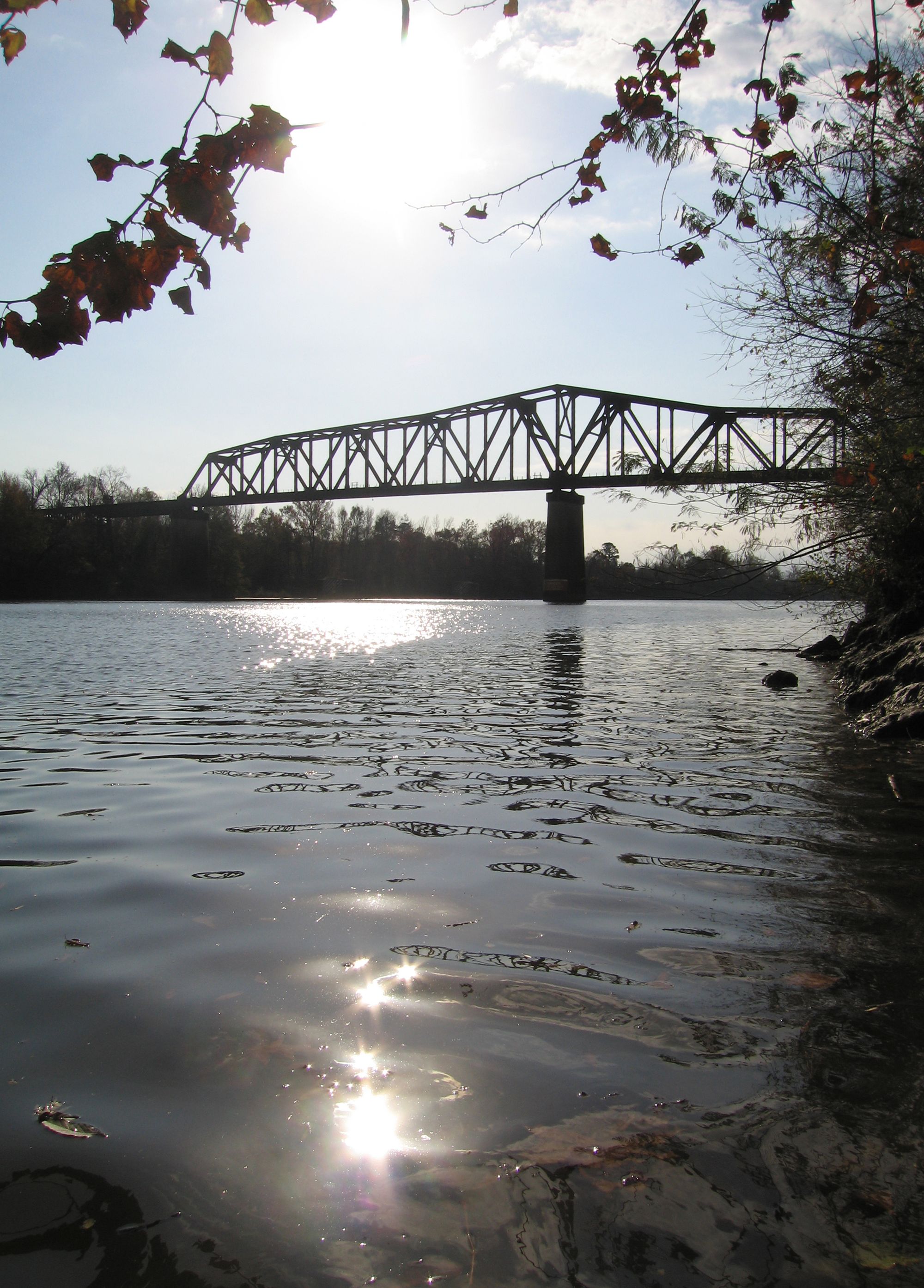
Black Warrior River
Demopolis Lake
Lay Lake
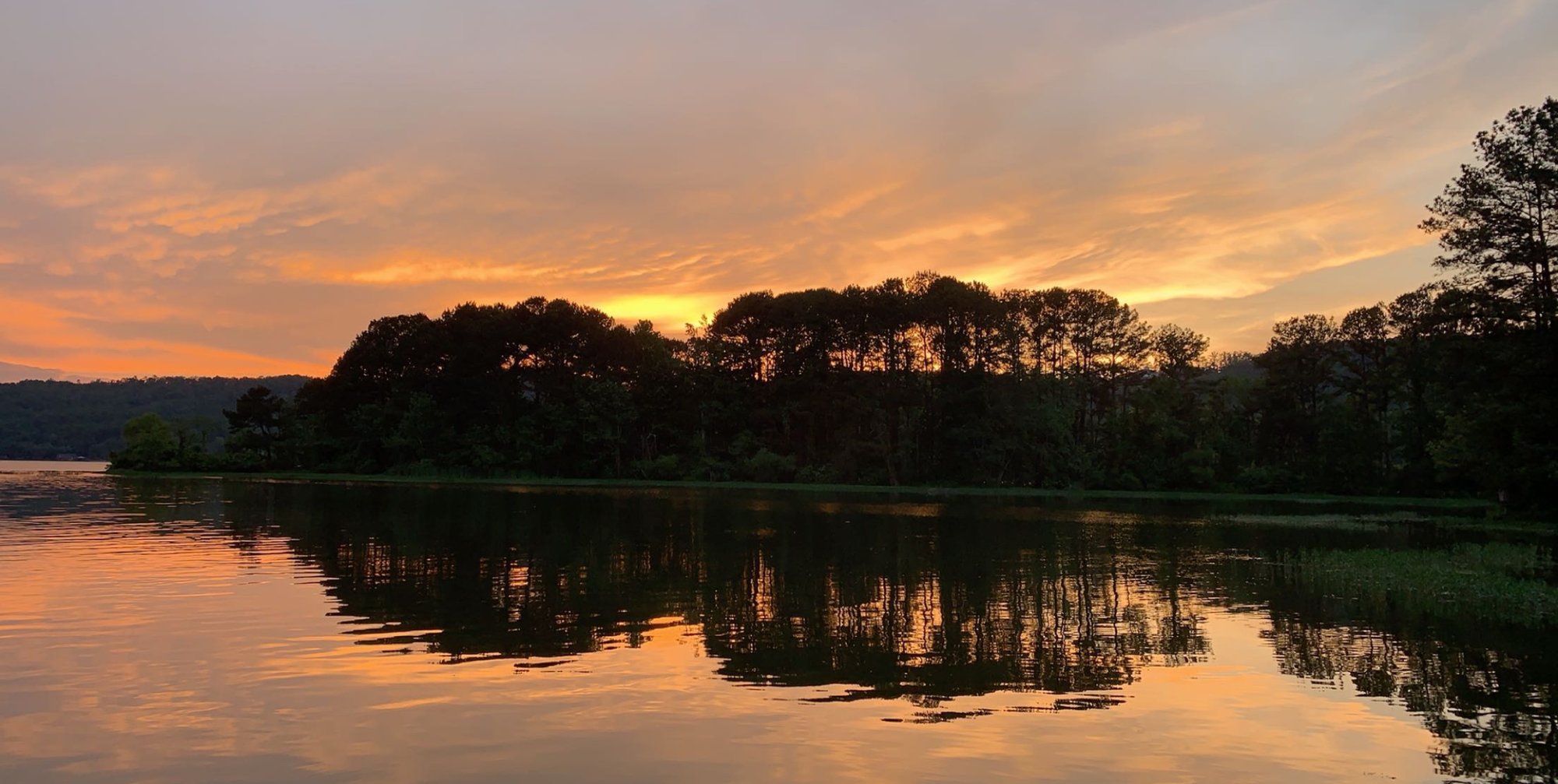
Coosa River
Cahaba River
Holt Lake
Mitchell Lake
Oak Mountain Lake
Warrior Lake
The Narrows
What to know
Habitat Distribution
- Native populations exist only in the Mobile Delta, confirmed by collections dating to 1851 and archaeological evidence from French occupation (1702-1720).
- Introduced populations are established in the Tennessee River drainage, Chattahoochee River system, and upper Tombigbee River system.
- Fishable populations exist in Lakes Martin, Yates, and Thurlow.
- They inhabit various water types including moderate to large flowing streams, tannin-stained tributaries, and reservoirs.
Key Locations
- Target them in Lakes Martin, Yates, and Thurlow, as well as Tennessee River reservoirs like Guntersville Lake, Wheeler Lake, Wilson Lake, and Pickwick Lake.
- In the Mobile Delta system, focus on tannin-stained tributaries.
Specific Spots
- Fish near vegetation, submerged structures, and areas with moderate depths.
- Concentrate efforts around weed beds, submerged timber, and rocky areas.
- For specific Alabama lakes like Martin and Yates, focus on areas with changes in depth, underwater humps, and drop-offs near vegetation.
Yellow Perch FAQ
Answers from onWater's species guide.
What are the best lures and bait for Yellow Perch in Alabama?
Yellow perch respond well to small jigs, particularly yellow jigs as demonstrated at Thurlow Lake. Live bait is highly effective, including small minnows, worms, and various larvae. Since large adults are often caught by crappie anglers using live minnows, this technique translates well to targeted perch fishing.
When is the best time to fish for Yellow Perch in Alabama?
Best fishing occurs during cooler water conditions between 63-77°F, with optimal range of 70-75°F. Spawning occurs from March to May - this period should be avoided for fishing to protect reproduction.
How do you catch Yellow Perch in Alabama?
Use vertical jigging techniques with small jigs and soft plastics in deeper waters.
What do Yellow Perch eat?
Small perch eat microcrustaceans and insect larvae, while large adults consume small fishes, large crustaceans.
Where do Yellow Perch live in Alabama?
Native populations exist only in the Mobile Delta, confirmed by collections dating to 1851 and archaeological evidence from French occupation (1702-1720). Introduced populations are established in the Tennessee River drainage, Chattahoochee River system, and upper Tombigbee River system.
Fish smarter with real-time insights
Whether you're en route and conditions shift or you're looking for the best spot based on current flows, we enable you to make informed decisions on the fly.




See it in the app
Most maps show you water.
onWater shows you Yellow Perch.



- 01 · Species map filter
Map every Yellow Perch water
Pick Yellow Perch and the map zeroes in on the waters they call home. No more guessing which lake holds them.
- 02 · Waterbody species
Tap any water. See what lives there.
Species, behavior and seasonal patterns for every lake, river and pond, before you leave the driveway.
- 03 · Angler Intelligence
Ask how to catch Yellow Perch
Tactics, gear and timing from onWater's AI fishing guide, tuned to the species and the water you're on.
Stop guessing where Yellow Perch are.
Open the map, filter by Yellow Perch, and head to water that holds them. Download onWater and plan your next trip in minutes.
- Species map filter
- Angler Intelligence
- Fishing journal
Explore other species
Trout, bass, salmon, panfish and everything in between. Each guide unpacks the behavior, seasons, and tactics that put fish in the net.
No species information available.
Alabama licenses and regulations
Explore nearby waters
Explore Alabama waters
Top fishing waters
Popular Cities
Loading popular cities...

Smarter Fishing Starts in the App.
onWater Fish gives you everything you need to plan smarter, fish better, and own every trip from first cast to last.