Smallmouth Buffalo

The Smallmouth Buffalo (Ictiobus bubalus) is a deep-bodied native sucker species found throughout Alabama's river systems. These robust fish reach 24-35 inches in length and can live up to 8 years, with some specimens exceeding 70 pounds.
Scientific Name: Ictiobus bubalus
- Deep-bodied robust fish that reach 24-35 inches in length, with some specimens exceeding 70 pounds.
- Distinguished from carp by their lack of barbels, small horizontal mouth with grooved upper lip, and beige to slate gray coloration that darkens during spawning season.
Fishing in Alabama
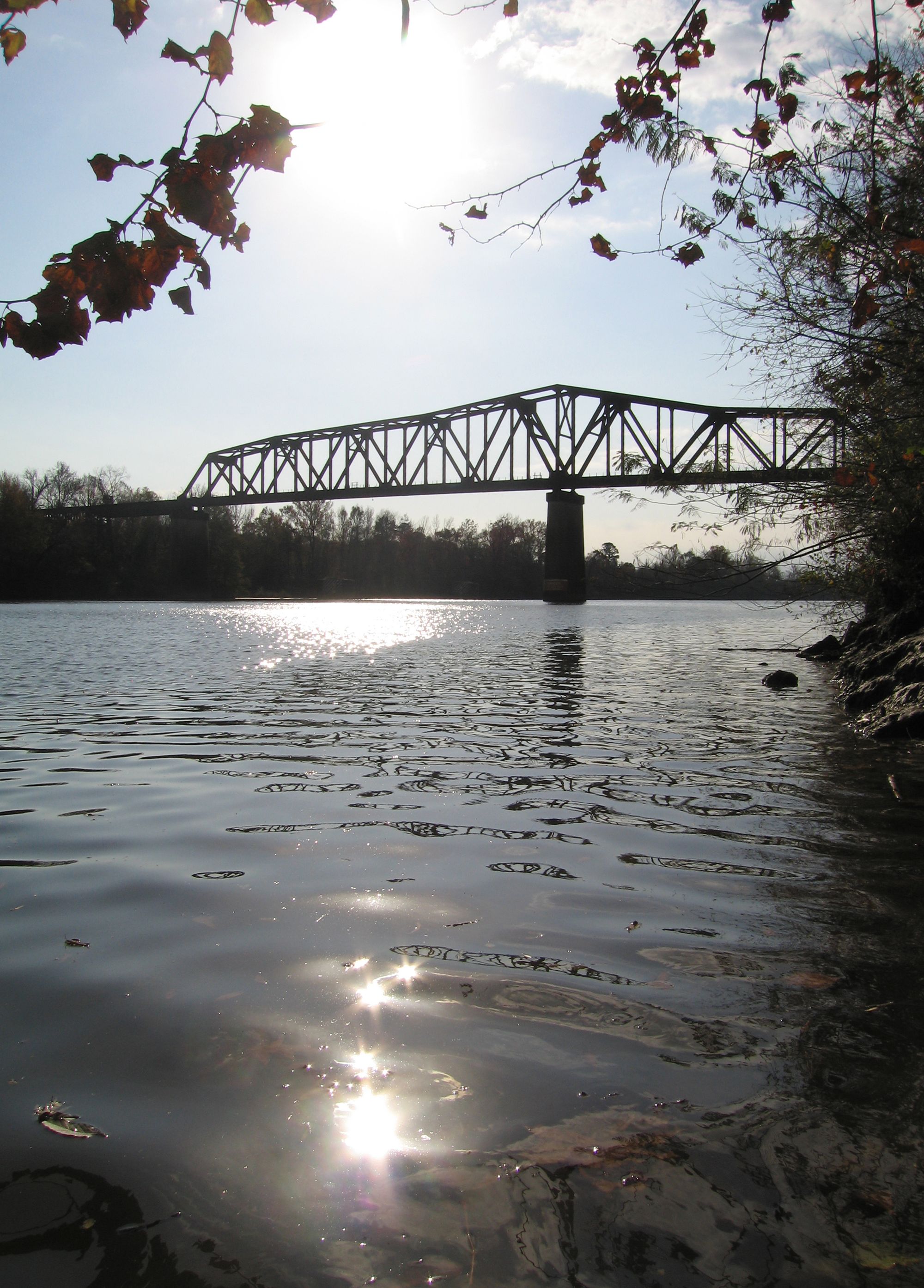
Black Warrior River
Demopolis Lake
Lay Lake
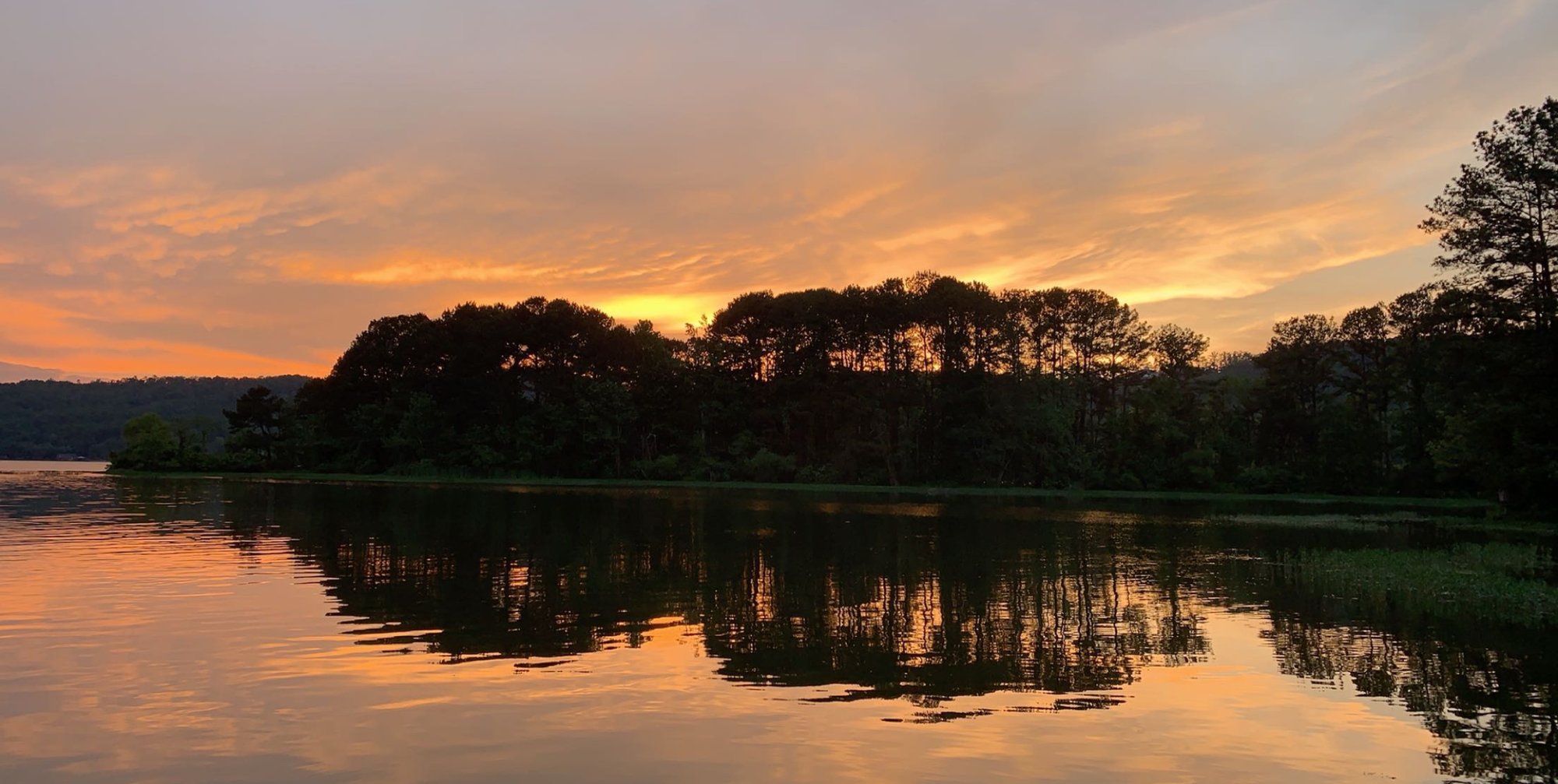
Coosa River
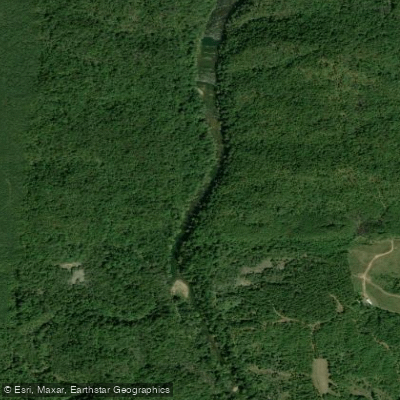
Cahaba River
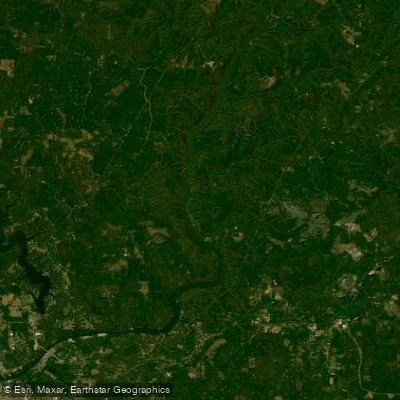
Holt Lake
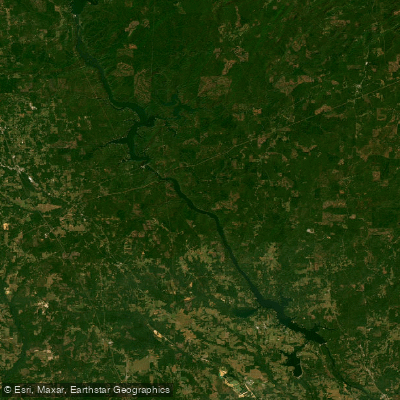
Mitchell Lake
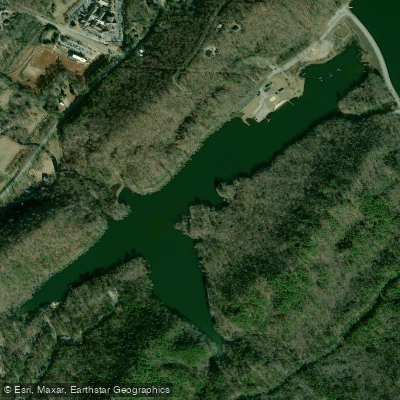
Oak Mountain Lake
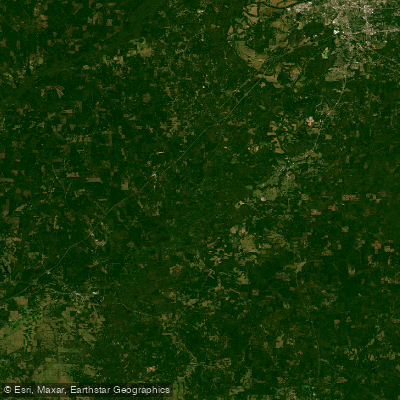
Warrior Lake
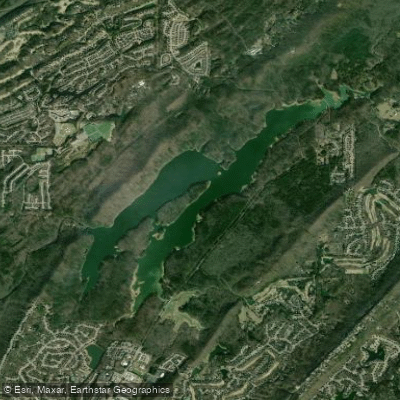
The Narrows
What to know
Habitat Distribution
- Widespread and abundant in the Mobile basin (primarily below the Fall Line) and the Tennessee River drainage, where they were collected at 34 stations from 1991-1993.
- The species is particularly abundant along riverbanks and in open waters of reservoirs.
Key Locations
- The Tennessee River system, Mobile basin waters, areas below dams like Lake Tuscaloosa Dam on the North River, Wheeler Reservoir.
Specific Spots
- Larger pools and depressions in rivers with low but steady current flow, especially around abundant aquatic vegetation and gravel-rock bottom areas.
- Riverine habitats with abundant aquatic vegetation or gravel-rock bottoms where they can forage.
- Calm eddies along riverbanks where current flow is reduced.
Smallmouth Buffalo FAQ
Answers from onWater's species guide.
What are the best lures and bait for Smallmouth Buffalo in Alabama?
Nightcrawlers on small J-hooks with Carolina rigs drifted over riffles, or livestock feed pellets (creep pellets) secured with brightly colored rubber bands on small, well-concealed hooks.
What flies work for Smallmouth Buffalo in Alabama?
Carp-specific patterns - use bright colors (pink, chartreuse, orange) in stained water and natural olive/brown patterns in clear conditions.
When is the best time to fish for Smallmouth Buffalo in Alabama?
Target from late spring through fall after spawning concludes, typically May through October in Alabama waters. Spawning occurs in early to middle spring when water temperatures reach 59-62°F (April-May). During spawning period, avoid targeting them as they migrate upstream to spawn.
How do you catch Smallmouth Buffalo in Alabama?
Use bottom-fishing techniques since they're primarily bottom feeders. Carolina rigs drifted over riffles. For fly fishing, present flies quietly in their feeding path with minimal movement, just enough wiggle for them to spot it.
What do Smallmouth Buffalo eat?
Primarily bottom feeders with a diet consisting of bivalve mollusks (especially Corbicula), copepods, aquatic diptera, insect larvae, algae, and detritus. Young fish under one year consume copepods, cladocerans, algae, duckweed, protozoans, rotifers, insect larvae, and insect e.g.gs.
Fish smarter with real-time insights
Whether you're en route and conditions shift or you're looking for the best spot based on current flows, we enable you to make informed decisions on the fly.




See it in the app
Most maps show you water.
onWater shows you Smallmouth Buffalo.



- 01 · Species map filter
Map every Smallmouth Buffalo water
Pick Smallmouth Buffalo and the map zeroes in on the waters they call home. No more guessing which lake holds them.
- 02 · Waterbody species
Tap any water. See what lives there.
Species, behavior and seasonal patterns for every lake, river and pond, before you leave the driveway.
- 03 · Angler Intelligence
Ask how to catch Smallmouth Buffalo
Tactics, gear and timing from onWater's AI fishing guide, tuned to the species and the water you're on.
Stop guessing where Smallmouth Buffalo are.
Open the map, filter by Smallmouth Buffalo, and head to water that holds them. Download onWater and plan your next trip in minutes.
- Species map filter
- Angler Intelligence
- Fishing journal
Explore other species
Trout, bass, salmon, panfish and everything in between. Each guide unpacks the behavior, seasons, and tactics that put fish in the net.
No species information available.
Alabama licenses and regulations
Explore nearby waters
Explore Alabama waters
Top fishing waters
Popular Cities
Loading popular cities...

Smarter Fishing Starts in the App.
onWater Fish gives you everything you need to plan smarter, fish better, and own every trip from first cast to last.