McCook Park Beach
- Saltwater
- Beach
- Saltwater
- Beach
- Sq. miles
- 0
- Boat Ramps
- 0
- Access Points
- 0
- Species
- 0
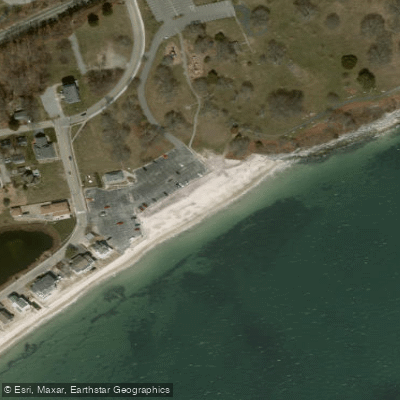
McCook Park Beach is a public park and beach located on the Niantic Bay shoreline in the village of Niantic, within the town of East Lyme, Connecticut. The park encompasses the bluffs of McCook Point, which stands about 40 feet above sea level, and includes two sand beaches on either side of the point. The beach area features sparkling clear waters and soft, white sand that slopes gently into the Long Island Sound. The park is open year-round, offering shore anglers a scenic location with direct access to the productive waters of the Sound. The area is steeped in history, having been used for fishing for centuries, first by the Nehantic Indians and later by European settlers.
Species & education
Learn what type of fish are at McCook Park Beach and what's needed to catch them.
No species information available.
Fishing spots, boat ramps & amenities
Learn how to get on McCook Park Beach. Uncover great fishing access points, boat ramps, and all the facilities you need for an unforgettable day on the water. Some locations shown may border or include private property. Always check property boundaries and applicable regulations before visiting. onWater's Public & Private Land layer can help you plan your access with confidence.
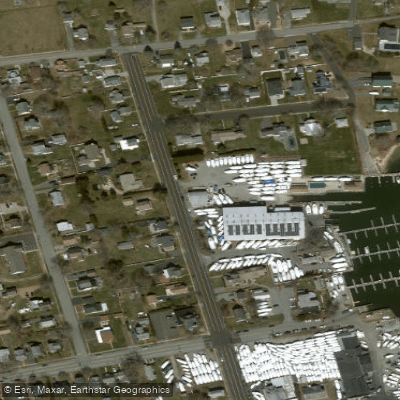
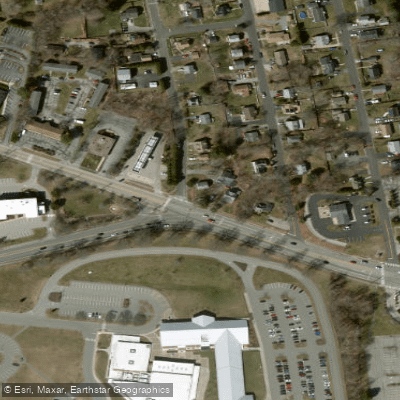
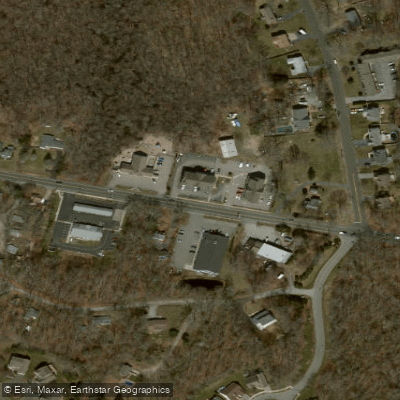
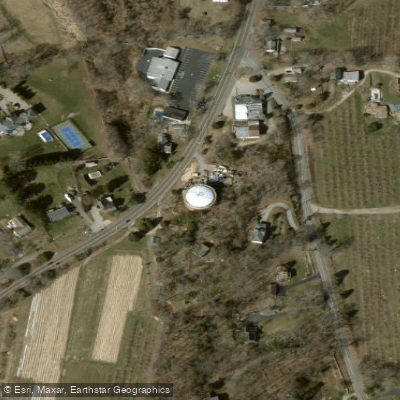
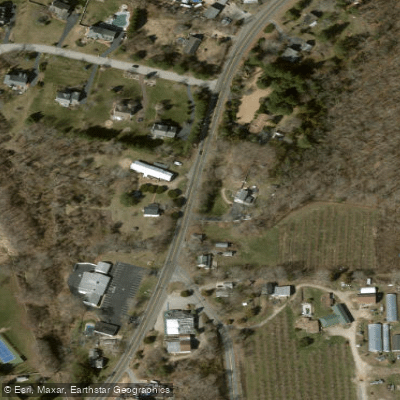
Know where you can legally fish on McCook Park Beach
See public and private land boundaries along the water, turn on private parcels with owner details to know where permission is required, and find land-trust parcels that offer permitted fishing access.
Connecticut licenses and regulations

Connecticut Boating Regulations
When using any type of watercraft to access a body of water, it is important to follow all federal, state, and local rules and regulations. These rules and regulations include boat permitting and licensing, invasive species inspections and stamps, life jacket and PFD rules, motor size and horsepower restrictions, noise limitations, restrictions on personal watercraft, and many more. Visit the web link below for the most current rules and regulations for this body of water.

Connecticut Coastal & Inland Waters
Connecticut divides its waters into a marine district and an inland district, and the boundary on shared rivers and coves is set at a specific demarcation line, often a bridge or road crossing. A Marine Waters Fishing License covers the marine district, while an inland fishing license covers waters above the line. The demarcation lines are listed by waterbody, so check the table to know which license applies where you plan to fish.

Connecticut Federal Waters & Offshore Rules
Beyond 3 nautical miles from shore, NOAA Fisheries and the regional fishery management councils set the rules, and those regulations can differ from or change independently of state rules. Anglers targeting Atlantic highly migratory species such as tuna, billfish, or swordfish in federal waters must have a federal HMS vessel permit issued by NOAA Fisheries. Tournament operators fishing from Connecticut ports are also required to register their events with NOAA.

Connecticut Saltwater Fishing License
Anyone 16 or older needs a Marine Waters Fishing License to fish from shore or a boat in Connecticut's marine district, or to land marine fish taken from offshore waters. Connecticut DEEP issues the license, and residents 65 and older can renew annually at no cost. Reciprocity agreements with Maine, Massachusetts, Rhode Island, and New York mean a valid marine license from any of those states is honored in Connecticut waters.

Connecticut Saltwater Size & Bag Limits
Size limits, bag limits, and open seasons apply per species and are set by Connecticut DEEP, with some species also subject to federal oversight. Rules can change during the year, so always check the current table before heading out. Striped bass, summer flounder, black sea bass, tautog, and bluefish are among the species with specific size and possession rules.

Connecticut Shellfish Closures & Advisories
Recreational shellfishing for oysters, clams, mussels, and other species is managed by the Connecticut Department of Agriculture's Bureau of Aquaculture, and harvesting is only legal in areas classified as Approved or Conditionally Approved-Open. Areas close regularly due to rainfall, water quality, or biotoxin events, so check with your local town shellfish commission hotline before you go. Permit requirements, size limits, and daily limits are detailed in the Connecticut Sea Grant recreational shellfishing guide.
Take McCook Park Beach with you
The onWater Fish app keeps this water's access points, species and conditions in your pocket, with the tools you use once you're there.
Use the map without signal
Download the map around McCook Park Beach to use it offline when coverage drops.
Log your catches here
Keep a private fishing journal for McCook Park Beach to find where and when fish are biting for you.
Get the onWater Fish app
Free on iOS and Android
Tides, wind & water conditions (10 day forecast)
On open water, wind and tide matter as much as the weather. See the best times to fish McCook Park Beach and check the marine forecast before you launch.
Loading tide predictions…
Fishing near McCook Park Beach
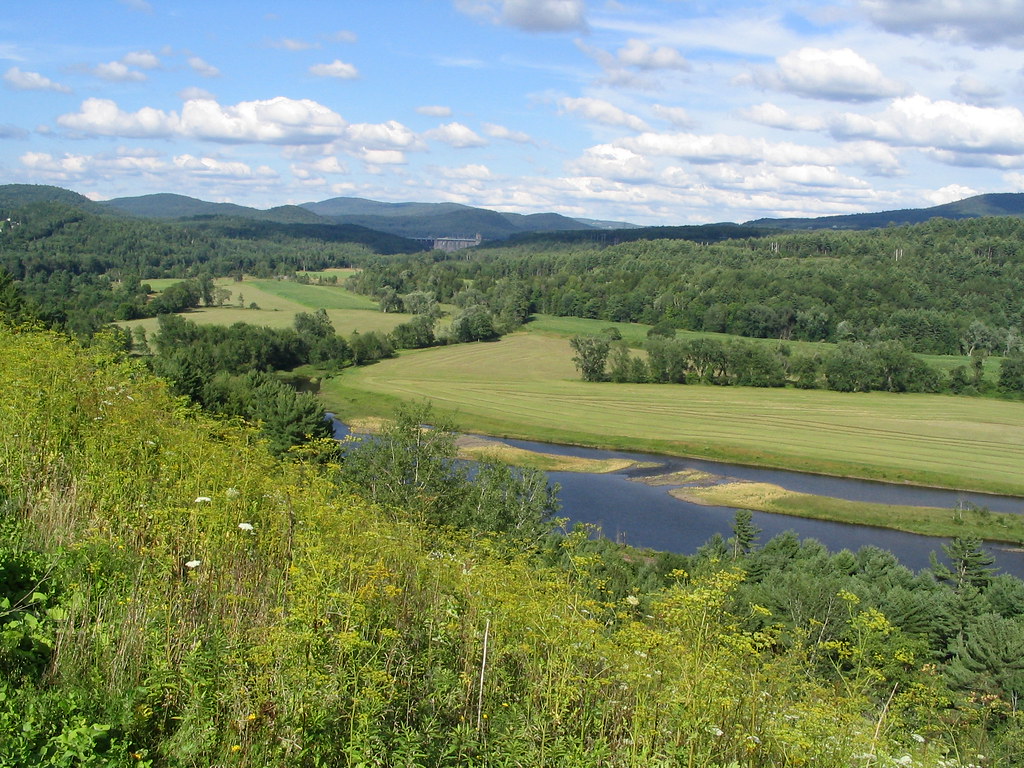
Connecticut River
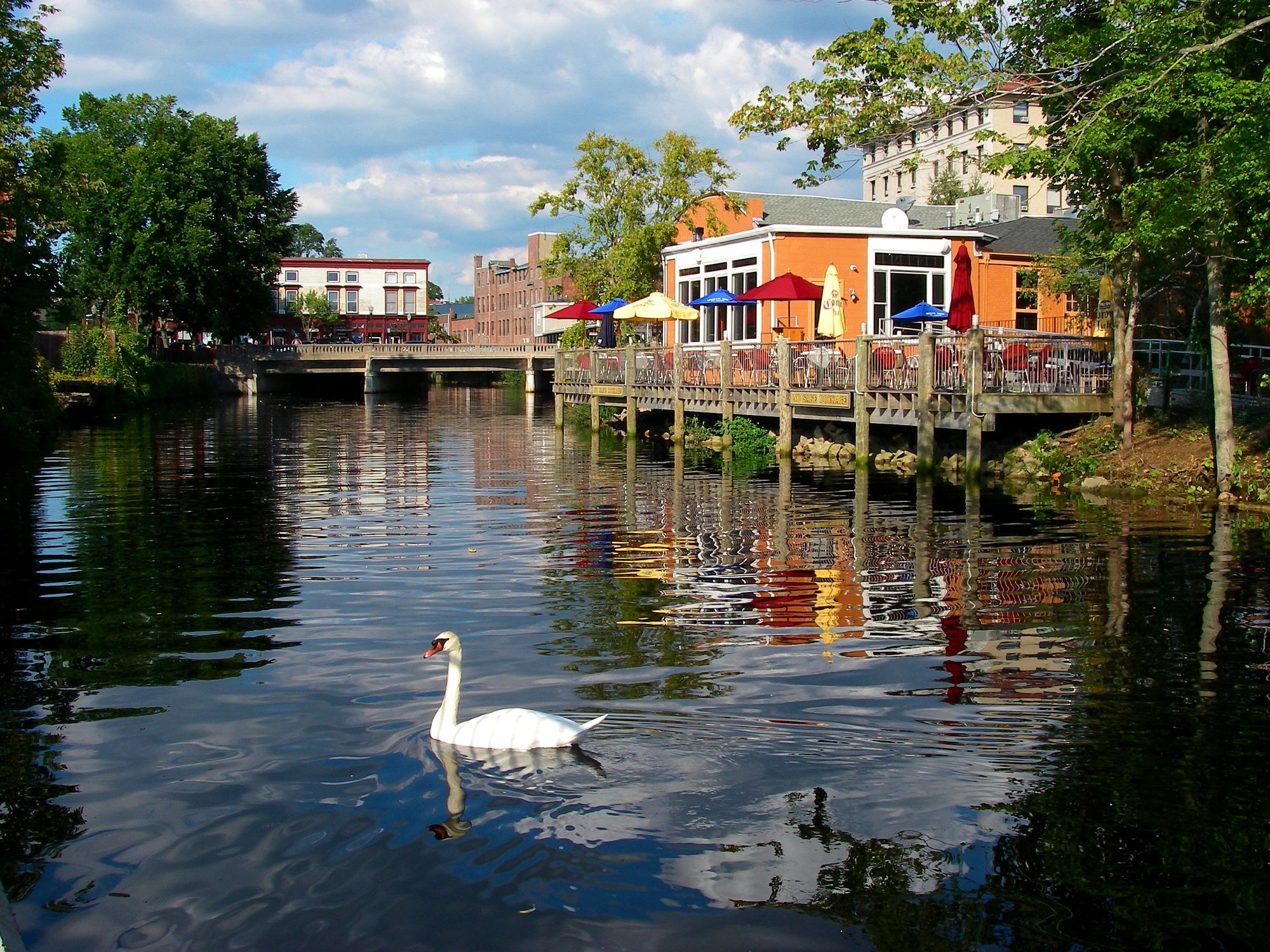
Pawcatuck River
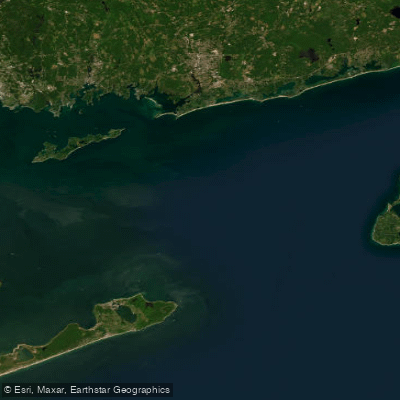
Block Island Sound
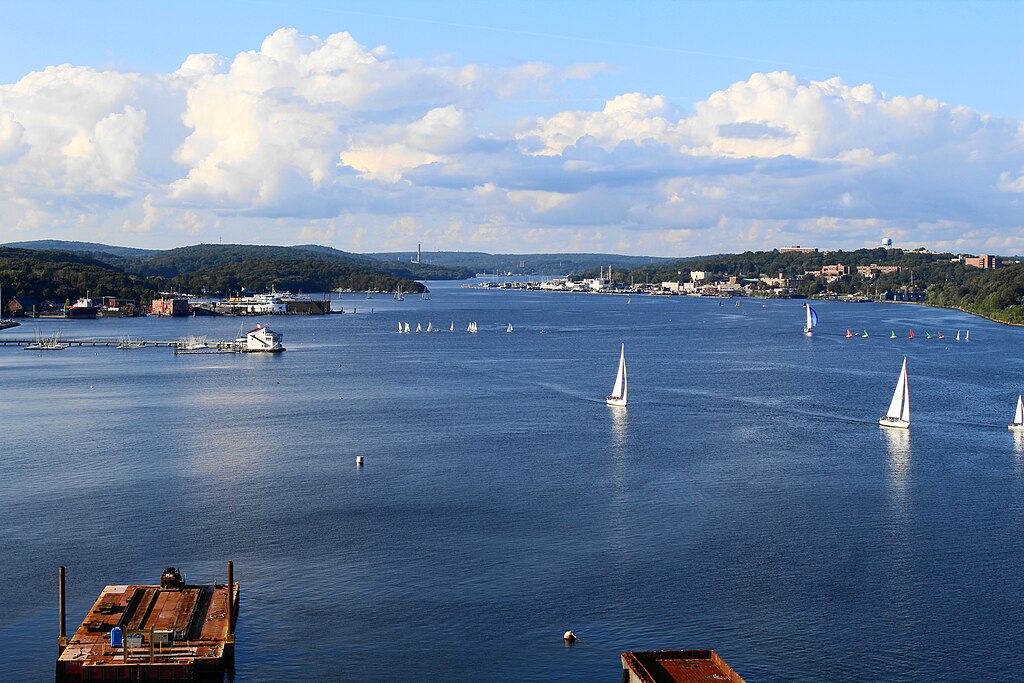
Thames River
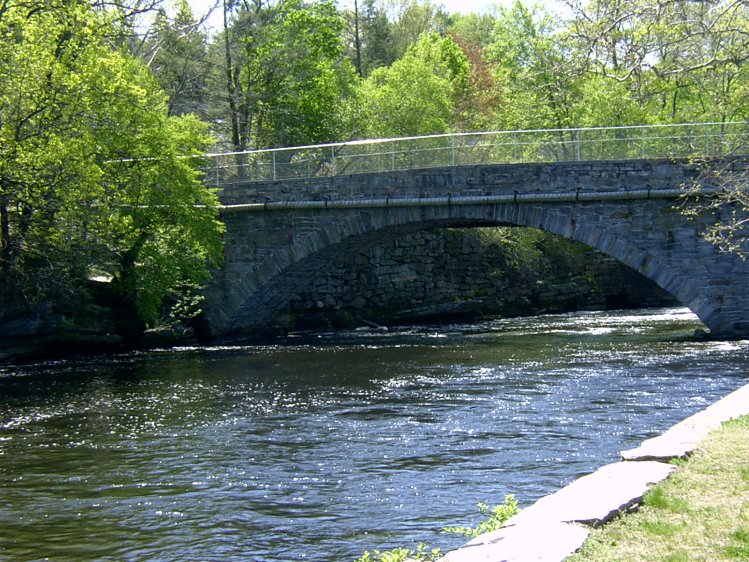
Willimantic River
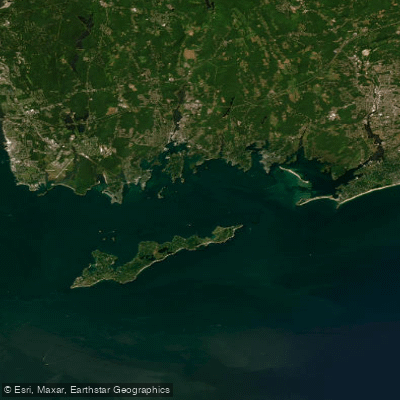
Fishers Island Sound
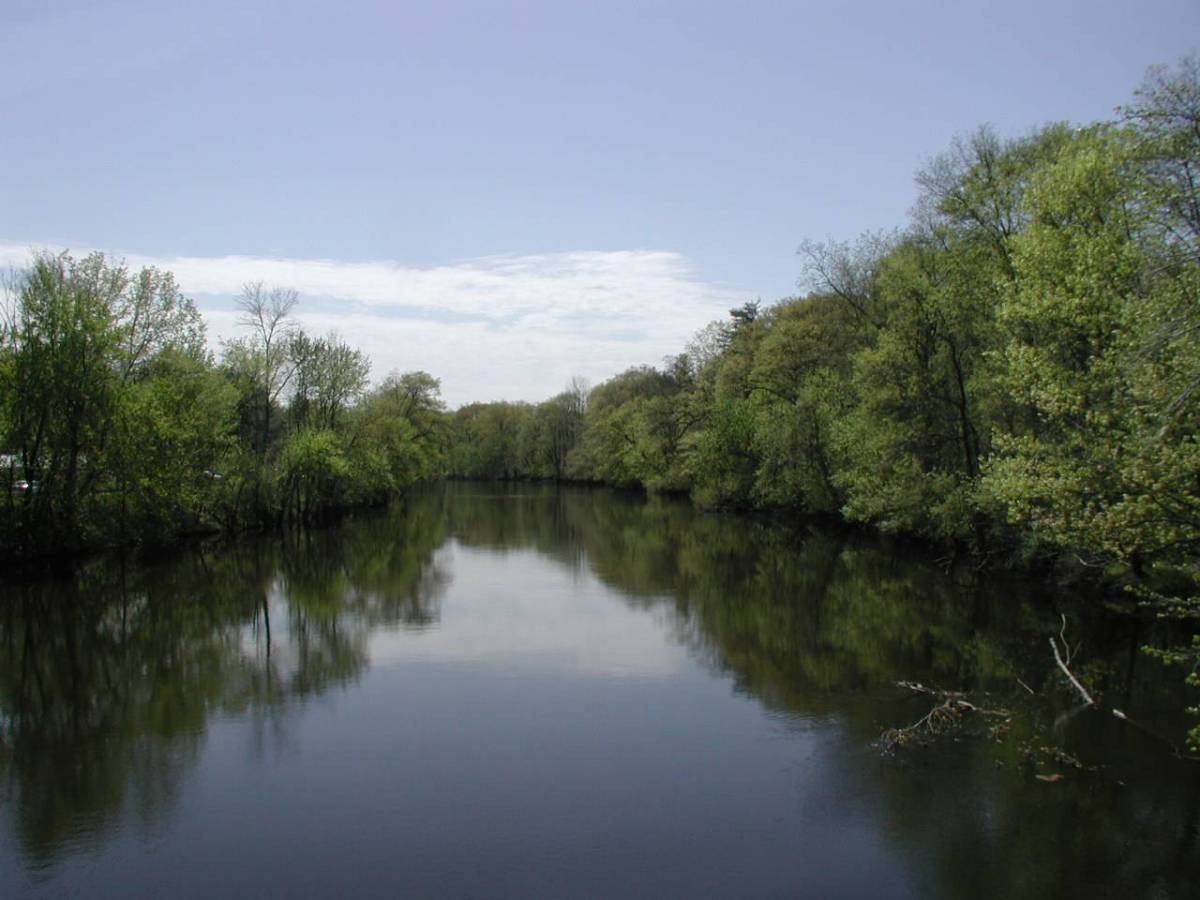
Farmington River
Peconic River
Gardiners Bay
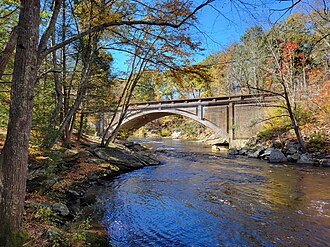
Natchaug River
Explore Connecticut waters
Explore near McCook Park Beach
Fishing spots
Nearby waters
More in Connecticut

Smarter Fishing Starts in the App.
onWater Fish gives you everything you need to plan smarter, fish better, and own every trip from first cast to last.