Icy Passage
- Saltwater
- Pass
Icy Passage
- Saltwater
- Pass
- Sq. miles
- 2.9
- Boat Ramps
- 0
- Access Points
- 0
- Species
- 2
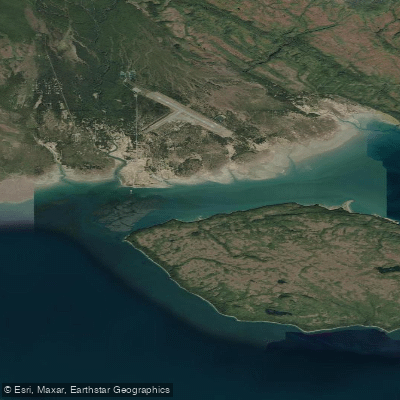
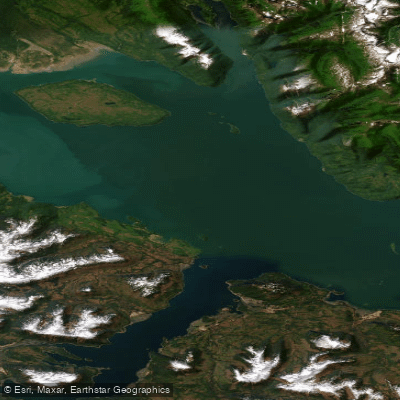
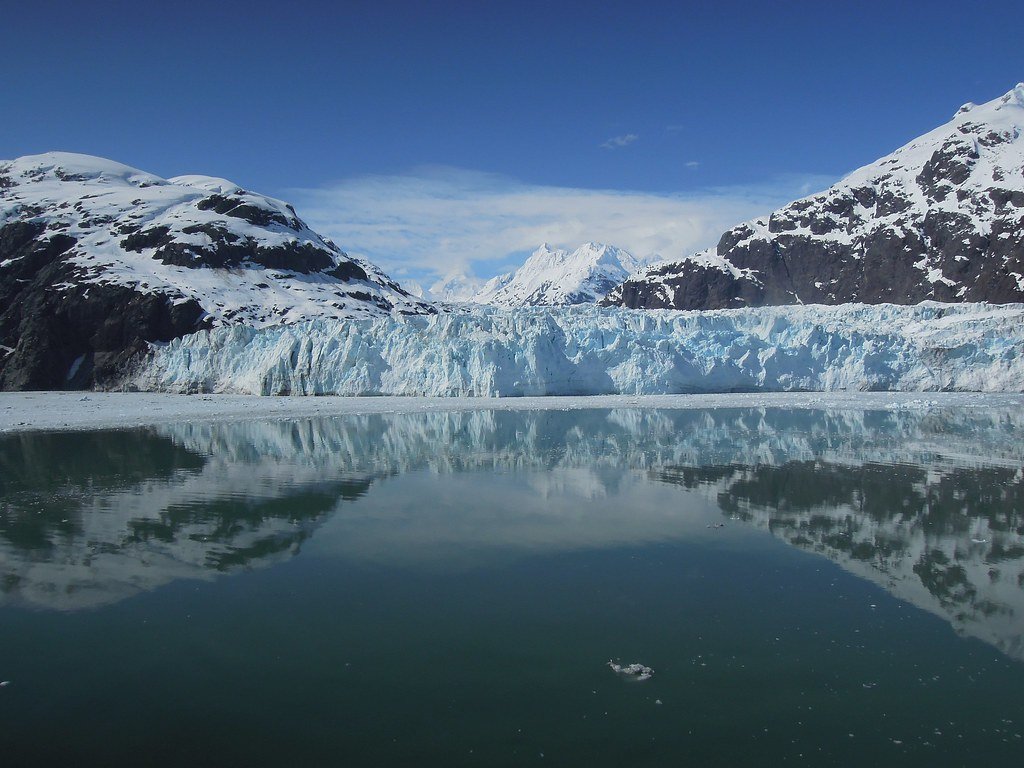
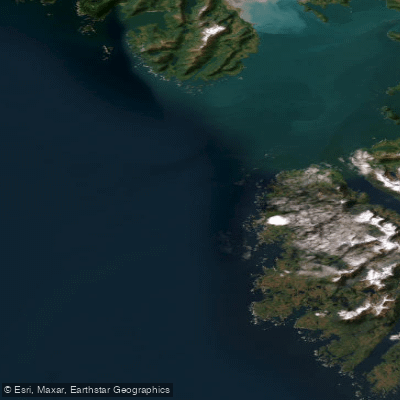
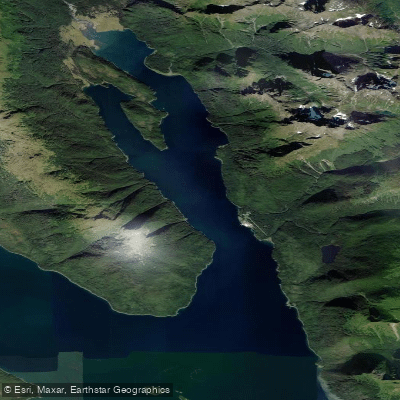
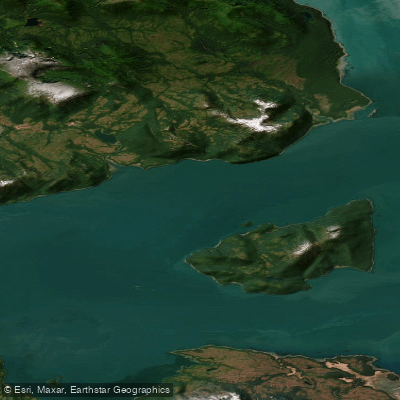
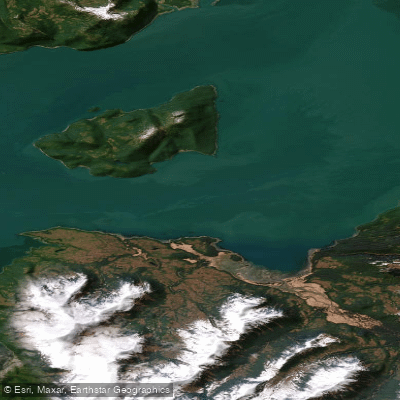
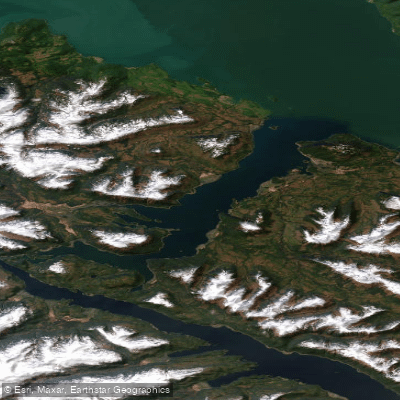
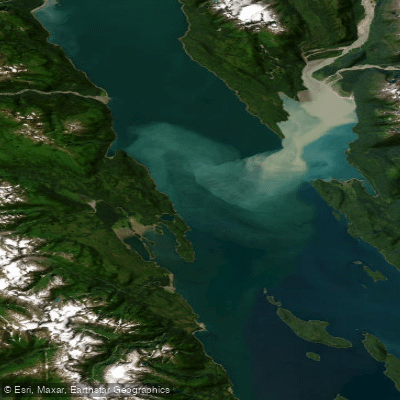
Icy Passage is a significant marine waterway in Southeast Alaska, connecting the Inside Passage waters of Icy Strait with the expansive wilderness of Glacier Bay National Park and Preserve. This saltwater passage is characterized by deep, cold, nutrient-rich waters flanked by forested islands and mainland shores, creating a dynamic ecosystem that supports a rich diversity of marine life. The area is a critical habitat and migratory corridor, situated adjacent to one of the world's largest protected marine areas. Fishing here is a predominantly saltwater pursuit, with access heavily influenced by the regulations of the national park and the complex management boundaries between state and federal waters.
Species & education
Learn what type of fish are at Icy Passage and what's needed to catch them.
Find which waters have the species you want to catch

Chum Salmon
Oncorhynchus keta

Lingcod
Ophiodon elongatus
Fishing spots, boat ramps & amenities
Learn how to get on Icy Passage. Uncover great fishing access points, boat ramps, and all the facilities you need for an unforgettable day on the water. Some locations shown may border or include private property. Always check property boundaries and applicable regulations before visiting. onWater's Public & Private Land layer can help you plan your access with confidence.
Productive fishing occurs along the northeast shore of Pleasant Island in Icy Passage, approximately 6 nautical miles from the community of Gustavus. The confluence areas where Icy Passage meets Icy Strait and where it leads into Glacier Bay are likely hotspots, as they concentrate baitfish and migrating salmon. Underwater structures such as drop-offs, reefs, and current seams near islands and points are key areas to target.
Know where you can legally fish on Icy Passage
See public and private land boundaries along the water, turn on private parcels with owner details to know where permission is required, and find land-trust parcels that offer permitted fishing access.
Alaska licenses and regulations

Alaska Boating Regulations
When using any type of watercraft to access a body of water, it is important to follow all federal, state, and local rules and regulations. These rules and regulations include boat permitting and licensing, invasive species inspections and stamps, life jacket and PFD rules, motor size and horsepower restrictions, noise limitations, restrictions on personal watercraft, and many more. Visit the web link below for the most current rules and regulations for this body of water.
Alaska Coastal & Inland Waters
A single Alaska sport fishing licence covers both freshwater and marine coastal waters under state jurisdiction, so no separate saltwater licence is needed. The Alaska Department of Fish and Game manages state waters and publishes region-specific regulations for areas including Southeast, Southcentral, Southwest, and Northern Alaska. When fishing in waters that fall under federal jurisdiction beyond the state boundary, federal rules apply instead.
Alaska Federal Waters & Offshore Rules
Once you fish beyond state waters, NOAA Fisheries and the North Pacific Fishery Management Council set the rules. Federal regulations govern species such as tuna, sharks, swordfish, and billfish in those offshore waters. Check NOAA Fisheries for any federal permits or reporting requirements that apply to the species and gear you plan to use.
Alaska Saltwater Fishing License
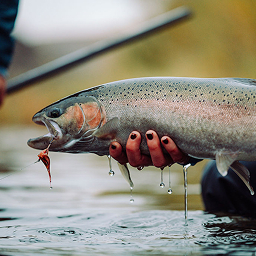
Alaska residents 18 and older and nonresidents 16 and older must have a sport fishing licence to fish in both fresh and marine waters. The Alaska Department of Fish and Game issues licences, and resident seniors 60 and older plus qualifying disabled veterans use a free ADF&G Identification Card instead. Resident anglers under 18 and nonresidents under 16 are exempt from the licence requirement, and a separate king salmon stamp is required for anyone targeting king salmon.
Alaska Saltwater Size & Bag Limits
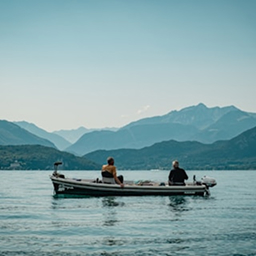
Size and bag limits apply per species and can shift throughout the year, and emergency orders can change them at any time. The Alaska Department of Fish and Game sets these rules for species including king salmon, silver salmon, halibut, rockfish, and lingcod. Check the current regulations for the region where you plan to fish before heading out, and always look for active emergency orders.

Alaska Shellfish Closures & Advisories
Recreational shellfish harvesting in Alaska is subject to closures that can be issued at any time due to biotoxins, paralytic shellfish poisoning, or other public health concerns. The Alaska Department of Environmental Conservation monitors biotoxin levels and posts current closure and advisory information. Check those advisories before harvesting clams, oysters, crab, or other shellfish, as affected areas can change quickly and contaminated shellfish show no visible signs of toxicity.
Take Icy Passage with you
The onWater Fish app keeps this water's access points, species and conditions in your pocket, with the tools you use once you're there.
Use the map without signal
Download the map around Icy Passage to use it offline when coverage drops.
Log your catches here
Keep a private fishing journal for Icy Passage to find where and when fish are biting for you.
Get the onWater Fish app
Free on iOS and Android
Tides, wind & water conditions (10 day forecast)
On open water, wind and tide matter as much as the weather. See the best times to fish Icy Passage and check the marine forecast before you launch.
Loading tide predictions…
Fishing near Icy Passage
Explore Alaska waters
Top fishing waters
Popular Cities
Loading popular cities...
Explore near Icy Passage

Smarter Fishing Starts in the App.
onWater Fish gives you everything you need to plan smarter, fish better, and own every trip from first cast to last.