Spotted Sucker
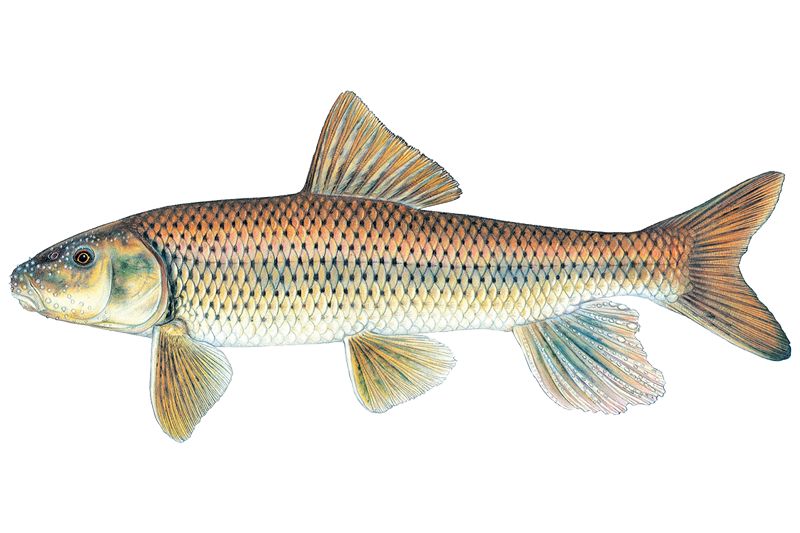
The spotted sucker is a relatively rare fish in Canada, found only in a handful of rivers and lakes in southwestern Ontario.
It sits on Ontario's Species at Risk list as Special Concern — not a target species in the traditional sense, but one that serious naturalist-anglers and bycatch fishers occasionally encounter while working bottom rigs in the Thames, Sydenham, and St.
Clair drainages.
Scientific Name: Minytrema melanops
Also known as corncob sucker, striped sucker, speckled sucker, winter sucker
- Eight to ten rows of distinct brown-black spots — one per scale — running lengthwise along the sides; no other Ontario sucker shows this pattern.
- Sides are bronze, coppery, or silvery; belly is white or silver; back runs olive-green to dark green on adults.
- Lateral line is absent or very short — a useful ID detail when the fish is in hand.
- Typical Canadian fish run 22–38 cm (roughly 9–15 in) and up to about 1.3 kg (just under 3 lb).
What to know
Habitat Distribution
- Native to Canada but restricted entirely to southwestern Ontario — Lake St. Clair, western Lake Erie, and the Detroit, St. Clair, Sydenham, and Thames rivers.
- Prefers clear creeks and small to mid-sized rivers with sand, gravel, or hard-clay bottoms, generally free of heavy silt — though Ontario fish have also turned up in turbid water.
- Gravitates toward slow or still water over soft substrates — backwater pools, sloughs, and low-current stretches rather than fast riffles (except during spawning).
Key Locations
- Thames River (ON) — one of the core rivers for this species in Canada, running through southwestern Ontario.
- Sydenham River (ON) — known habitat within the species' restricted Canadian range.
- St. Clair River and Lake St. Clair (ON) — part of the Great Lakes drainage where spotted suckers have been documented.
- Western Lake Erie tributaries (ON) — the eastern edge of the species' North American range touches this drainage.
Specific Spots
- Deep, slow pools with sand or mud bottoms — spotted suckers feed along the bottom where organic matter and invertebrates concentrate.
- Backwater eddies and off-channel sloughs connected to main-river flow, where current drops and fine substrate settles.
- Rocky riffle sections in late spring and early summer, when fish move up to spawn over gravel and cobble.
Spotted Sucker FAQ
Answers from onWater's species guide.
What are the best lures and bait for Spotted Sucker?
Small earthworms or worm pieces on a light bottom rig are the go-to; maggots and dough baits also work for this bottom-feeding species. Keep the presentation stationary or slow-drifting along the bottom, spotted suckers are not chasing fast-moving lures.
When is the best time to fish for Spotted Sucker?
Late spring and early summer bring fish into shallower riffle areas for spawning, the most predictable time to encounter them in specific locations. Summer through fall, fish hold in slow, deeper pools and backwater areas and can be taken incidentally on bottom rigs.
How do you catch Spotted Sucker?
Spotted suckers are rarely targeted deliberately in Canada, most encounters come as bycatch while bottom fishing for other species in southwestern Ontario rivers. Anglers who do pursue them work slow pools and backwater areas with light spinning gear and small natural baits on the bottom.
What do Spotted Sucker eat?
Bottom feeders that root through soft substrate for zooplankton, aquatic insects, and organic debris, they suck food in rather than biting, so small natural baits fished on or near the bottom match their feeding style best.
Where do Spotted Sucker live?
Native to Canada but restricted entirely to southwestern Ontario, Lake St. Clair, western Lake Erie, and the Detroit, St. Clair, Sydenham, and Thames rivers.
See it in the app
Most maps show you water.
onWater shows you Spotted Sucker.



- 01 · Species map filter
Map every Spotted Sucker water
Pick Spotted Sucker and the map zeroes in on the waters they call home. No more guessing which lake holds them.
- 02 · Waterbody species
Tap any water. See what lives there.
Species, behavior and seasonal patterns for every lake, river and pond, before you leave the driveway.
- 03 · Angler Intelligence
Ask how to catch Spotted Sucker
Tactics, gear and timing from onWater's AI fishing guide, tuned to the species and the water you're on.
Stop guessing where Spotted Sucker are.
Open the map, filter by Spotted Sucker, and head to water that holds them. Download onWater and plan your next trip in minutes.
- Species map filter
- Angler Intelligence
- Fishing journal
Explore other species
Trout, bass, salmon, panfish and everything in between. Each guide unpacks the behavior, seasons, and tactics that put fish in the net.
No species information available.
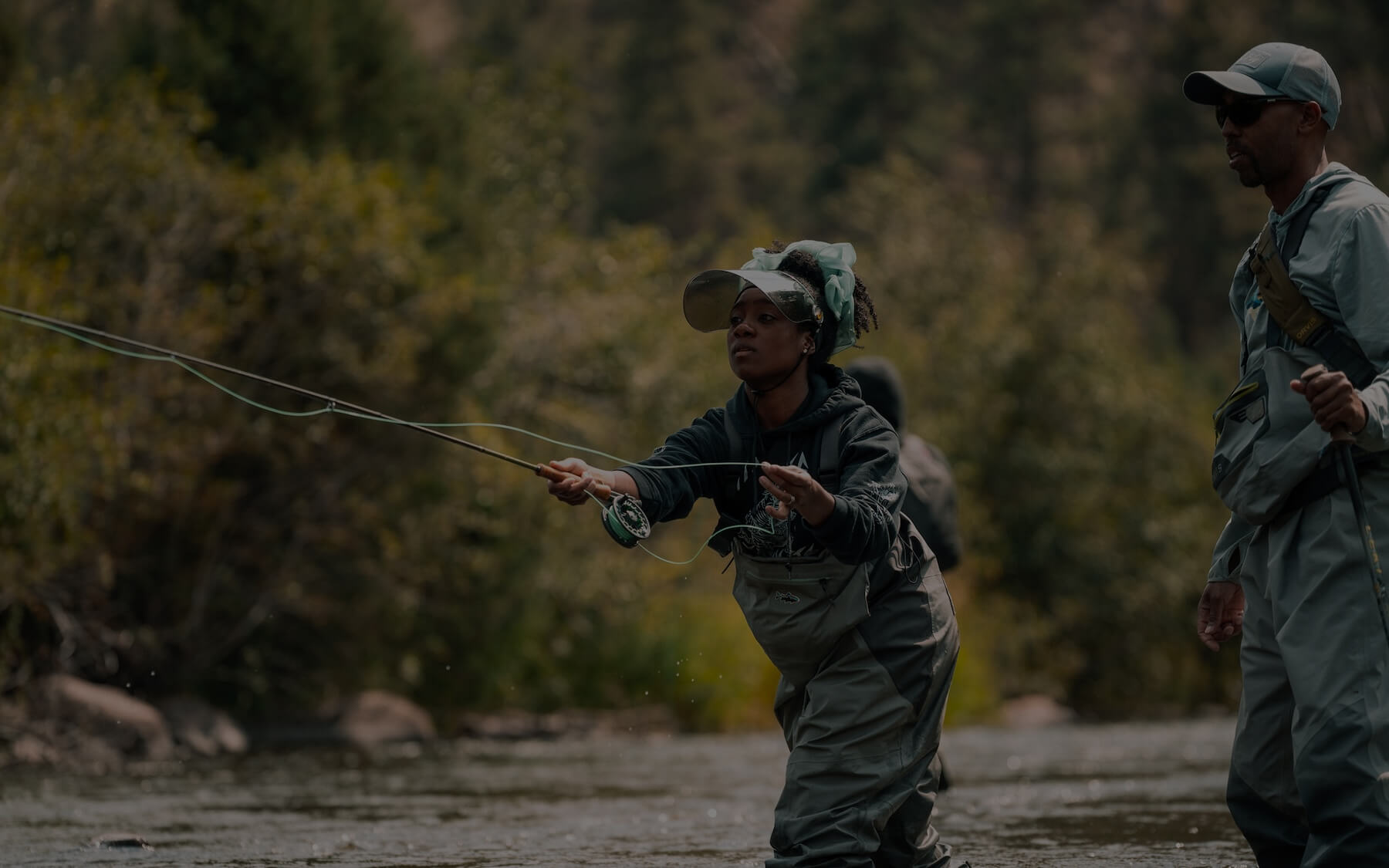
Smarter Fishing Starts in the App.
onWater Fish gives you everything you need to plan smarter, fish better, and own every trip from first cast to last.