Silver Redhorse
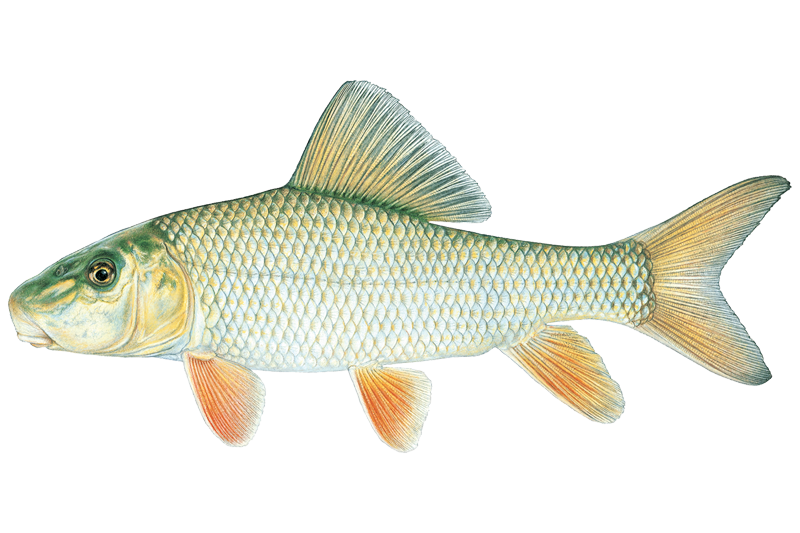
The silver redhorse is a native sucker found from Quebec to Alberta, with its strongest Canadian presence in the Great Lakes–St. Lawrence and Ottawa River systems.
It's a growing target for rod-and-line anglers who appreciate its size, its preference for clean gravel runs, and the patience the fishing demands. Long-lived and late-maturing, it deserves careful handling.
Scientific Name: Moxostoma anisurum
Also known as redhorse, sucker, silver sucker
- Bright silver sides with a dark gray-brown back and a slate gray, moderately forked tail — both lobes pointed and roughly equal in size.
- Lower lip has tight parallel ridges like a fingerprint — the clearest field mark separating it from other redhorse species.
- No barbels; the mouth is fleshy and extendable, designed for vacuuming food off gravel.
- Typical fish run 18–24 inches and 2–5 lbs; larger individuals can push past 10 lbs and 29 inches.
What to know
Habitat Distribution
- Native to Canada, ranging from Quebec west to Alberta, primarily within the Great Lakes–St. Lawrence, Hudson Bay, and Mississippi River drainages.
- Occupies mid-size to large rivers with clean gravel, cobble, or rock bottoms — water quality is a reliable indicator of where populations hold.
- Ontario's Ottawa River and tributaries of the Great Lakes watershed are well-documented strongholds; Quebec's St. Lawrence tributaries also support populations.
- Adults use deeper pools and runs for most of the year, moving to shallow gravel riffles to spawn.
Key Locations
- Ottawa River, Ontario/Quebec — well-known among local anglers for holding good numbers of silver redhorse in its gravel runs.
- Great Lakes tributaries in Ontario — rivers draining into Lake Erie, Lake Ontario, and Georgian Bay support documented populations.
- St. Lawrence River tributaries, Quebec — part of the species' core Canadian range, with fish present in cleaner river systems.
Specific Spots
- Gravel and cobble runs just downstream of riffles — silver redhorse feed actively here, leaving polished "dinner plate" depressions and silt plumes as they root through the bottom.
- Deep pools adjacent to fast water, especially where current breaks allow fish to hold without fighting the flow between feeding bouts.
- Tail-outs of pools where gravel transitions to finer substrate — fish move through these zones when light drops.
- During spring spawning runs, concentrate on shallow riffles at night, when males are most active.
Silver Redhorse FAQ
Answers from onWater's species guide.
What are the best lures and bait for Silver Redhorse?
Nightcrawlers and red worms fished on the bottom or under a float are the standard approach, small pieces outfish whole worms by reducing short strikes. Waxworms, maggots, and caddisfly larvae (where legal to collect) all produce well, particularly in clear water where the fish can be more selective.
When is the best time to fish for Silver Redhorse?
Spring, the most productive window, as fish move into shallow gravel riffles to spawn and are concentrated and active. Early summer, fish remain catchable in runs and pool edges before peak heat pushes them deeper. Fall, a secondary period of activity as water cools; fish feed up before winter in deeper holding pools.
How do you catch Silver Redhorse?
Most Canadian anglers target silver redhorse from shore or by wading, working gravel runs and pool tail-outs with bottom or float rigs baited with worms or larvae. Spring, when fish move into shallow riffles, is the most accessible time to find concentrations.
What do Silver Redhorse eat?
Feeds heavily on aquatic invertebrates, insect larvae (caddisfly, mayfly, midge), worms, and small crustaceans picked from the gravel. Bottom-fished worms or waxworms on a light rig are the most consistent producers.
Where do Silver Redhorse live?
Native to Canada, ranging from Quebec west to Alberta, primarily within the Great Lakes–St. Lawrence, Hudson Bay, and Mississippi River drainages. Occupies mid-size to large rivers with clean gravel, cobble, or rock bottoms, water quality is a reliable indicator of where populations hold.
See it in the app
Most maps show you water.
onWater shows you Silver Redhorse.



- 01 · Species map filter
Map every Silver Redhorse water
Pick Silver Redhorse and the map zeroes in on the waters they call home. No more guessing which lake holds them.
- 02 · Waterbody species
Tap any water. See what lives there.
Species, behavior and seasonal patterns for every lake, river and pond, before you leave the driveway.
- 03 · Angler Intelligence
Ask how to catch Silver Redhorse
Tactics, gear and timing from onWater's AI fishing guide, tuned to the species and the water you're on.
Stop guessing where Silver Redhorse are.
Open the map, filter by Silver Redhorse, and head to water that holds them. Download onWater and plan your next trip in minutes.
- Species map filter
- Angler Intelligence
- Fishing journal
Explore other species
Trout, bass, salmon, panfish and everything in between. Each guide unpacks the behavior, seasons, and tactics that put fish in the net.
No species information available.
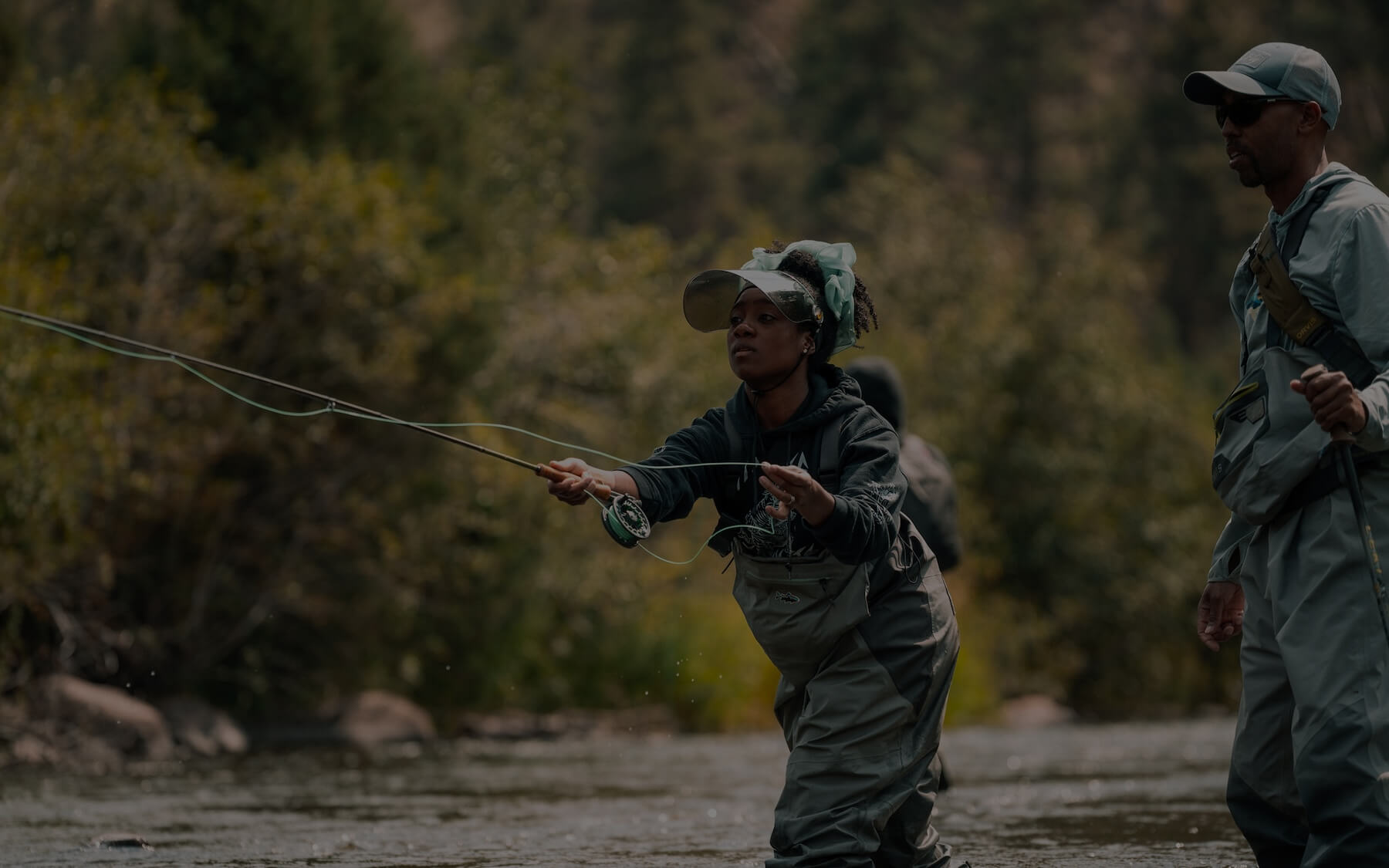
Smarter Fishing Starts in the App.
onWater Fish gives you everything you need to plan smarter, fish better, and own every trip from first cast to last.