Shorthead Redhorse
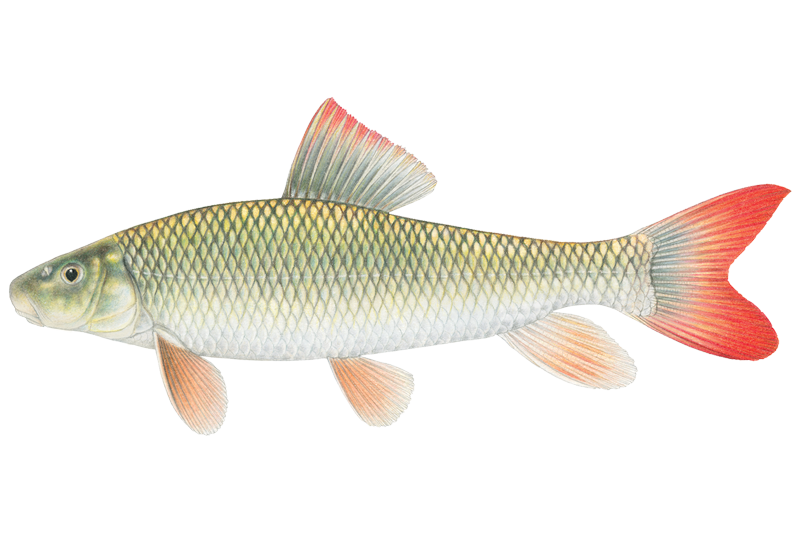
The Shorthead Redhorse is a bottom-feeding sucker that serves as an excellent water quality indicator, avoiding turbid or murky waters that can cause blindness. These are locally migrant fish that don't travel long distances.
Scientific Name: Moxostoma macrolepidotum
Distinctive silvery to golden-bronze coloration, dark olive-brown backs, and bright reddish-orange dorsal, anal, and tail fins.
Easily identified by their characteristically small head (17-19% of total length), downward-pointing fleshy mouth, and unique pea-shaped swelling on the upper lip that helps them suck food from rocks and gravel.
In Massachusetts, they typically measure 9-18 inches and weigh 1-3 pounds, though individuals can reach up to 2 feet and 5 pounds.
Fishing in Massachusetts
Fleuve Saint-Laurent
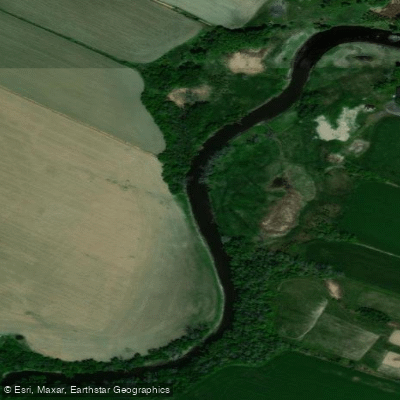
Rivière L'Acadie
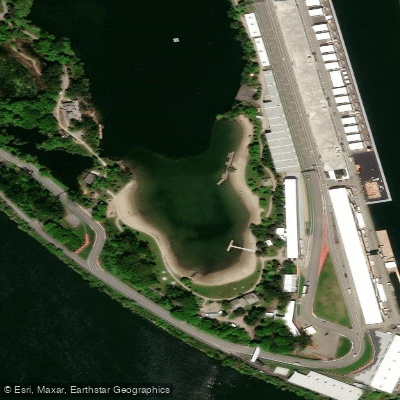
Plage Jean-Doré
Rivière de la Tortue
Rivière Richelieu

Plage de Longueuil
Rivière des Prairies
Ruisseau Saint-Louis
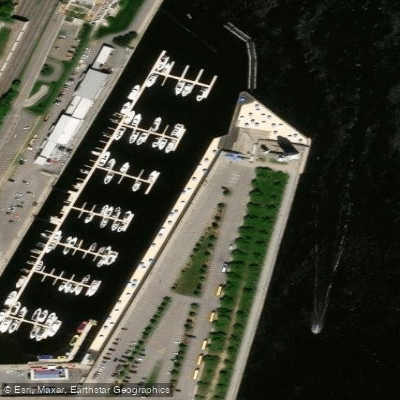
Plage de l'Horloge
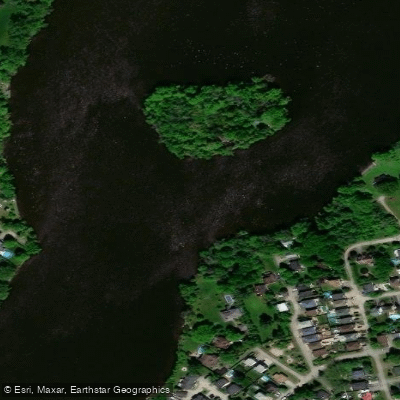
Rivière des Mille Îles
What to know
Habitat Distribution
Rivers, streams, and lakes with clear waters and sand, gravel, or rock bottoms with medium to strong currentsSpecific Spots
Focus on riffles, riffle margins, rocky pools, and runs in rivers and streams, particularly areas with clean sand, gravel, or rocky substrates free of clay and silt. Target outside bends, drop-offs, undercut banks, rock and boulder pockets, current edges, and areas near dams and falls. Fish the bottom in fast-flowing sections.Shorthead Redhorse FAQ
Answers from onWater's species guide.
What are the best lures and bait for Shorthead Redhorse in Massachusetts?
Nightcrawlers and worms as primary baits, clams, shrimp, canned meat, and multi-colored sponges. Use half a worm on hooks.
How do you catch Shorthead Redhorse in Massachusetts?
Bottom fishing, slip-float rig (particularly using cigar slip-float with 1/8-ounce ballhead jig), drift fishing, still fishing, and spin casting. Prop your rod against something to easily detect subtle bites. The floating bait presentation helps prevent snags in steady-moving water.
What do Shorthead Redhorse eat?
Feed on approximately 60 different food categories, primarily benthic invertebrates including insect larvae, mayflies, water fleas, caddisflies, small mollusks, scuds, worms, and various aquatic invertebrates - eating more insects than any other sucker species.
Where do Shorthead Redhorse live in Massachusetts?
Rivers, streams, and lakes with clear waters and sand, gravel, or rock bottoms with medium to strong currents
Fish smarter with real-time insights
Whether you're en route and conditions shift or you're looking for the best spot based on current flows, we enable you to make informed decisions on the fly.




See it in the app
Most maps show you water.
onWater shows you Shorthead Redhorse.



- 01 · Species map filter
Map every Shorthead Redhorse water
Pick Shorthead Redhorse and the map zeroes in on the waters they call home. No more guessing which lake holds them.
- 02 · Waterbody species
Tap any water. See what lives there.
Species, behavior and seasonal patterns for every lake, river and pond, before you leave the driveway.
- 03 · Angler Intelligence
Ask how to catch Shorthead Redhorse
Tactics, gear and timing from onWater's AI fishing guide, tuned to the species and the water you're on.
Stop guessing where Shorthead Redhorse are.
Open the map, filter by Shorthead Redhorse, and head to water that holds them. Download onWater and plan your next trip in minutes.
- Species map filter
- Angler Intelligence
- Fishing journal
Explore other species
Trout, bass, salmon, panfish and everything in between. Each guide unpacks the behavior, seasons, and tactics that put fish in the net.
No species information available.
Massachusetts licenses and regulations
Explore nearby waters
Explore Massachusetts waters
Top fishing waters
Popular Cities
Loading popular cities...

Smarter Fishing Starts in the App.
onWater Fish gives you everything you need to plan smarter, fish better, and own every trip from first cast to last.