Tench

Tench are an invasive fish from Europe and western Asia, introduced illegally to a Quebec fish farm in 1986 and now established in the Richelieu River, St. Lawrence River, and the Columbia watershed in British Columbia.
They are not a target species for Canadian anglers — they are a prohibited invasive under Ontario's Invasive Species Act, and their spread toward the Great Lakes is a serious conservation concern.
Scientific Name: Tinca tinca
Also known as tanche, doctor fish, green tench
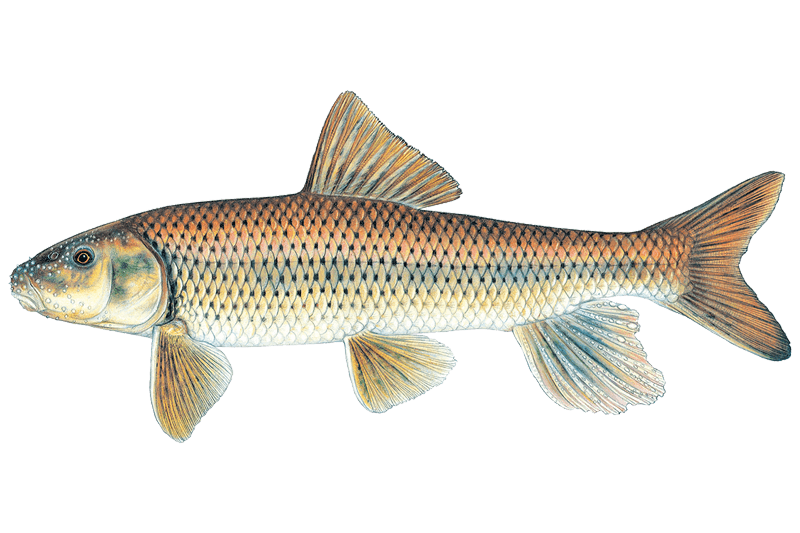
- Stocky, football-shaped body with olive-green to bronze coloration on the back, fading to a pale golden underside — distinctive enough to stand out from most native species.
- Tiny red-orange eyes and a small mouth with a short barbel at each corner, similar to carp but much smaller in scale.
- Skin is unusually thick and slippery, covered in very small embedded scales; all fins are rounded with no spines.
- Adults typically reach 30–50 cm in Canadian waters; the species can grow to 70 cm and 7.5 kg in its native range.
What to know
Habitat Distribution
- Not native to Canada — introduced illegally. Established populations exist in the Richelieu River and St. Lawrence River in Quebec, and in the Columbia River watershed in British Columbia.
- Has been captured in Lake St. Francis on the Ontario-Quebec border and detected as far as the Bay of Quinte area in Lake Ontario, raising concern about Great Lakes establishment.
- Prefers shallow, slow-moving water with dense aquatic vegetation and soft, muddy or silty bottoms — backwater bays, weedy lakes, and sluggish river channels.
- Tolerates a wide range of conditions including low oxygen, turbid water, and temperatures from 4°C to 24°C, which makes them difficult to contain once established.
Key Locations
- Richelieu River, Quebec — the original point of entry into Canadian waterways from an illegal fish farm introduction in 1986.
- St. Lawrence River, Quebec and Ontario border — established population, with captures recorded near Bainsville, ON and Lake St. Francis.
- Columbia River watershed, British Columbia — a separate established population in western Canada.
- Bay of Quinte / Lake Ontario — recent detections signal the species is pushing into the Great Lakes proper.
Specific Spots
- Dense weed beds and vegetated shallows — tench root through bottom sediment and use aquatic plants for cover and spawning.
- Soft mud and silt substrates in slow backwaters and river margins, where they forage for snails and insect larvae.
- In winter, they can bury into mud bottoms to overwinter, making them hard to detect in colder months.
Tench FAQ
Answers from onWater's species guide.
How do you catch Tench?
Tench are not a target species for Canadian anglers and should not be deliberately fished for or retained. If encountered incidentally, anglers are encouraged to report the catch to provincial invasive species hotlines and not return the fish to the water.
What do Tench eat?
Bottom feeders that eat snails, crustaceans, insect larvae, algae, decaying plant matter, and fish eggs, they root through mud using their barbels to locate food, which stirs up sediment and clouds the water.
Where do Tench live?
Not native to Canada, introduced illegally. Established populations exist in the Richelieu River and St. Lawrence River in Quebec, and in the Columbia River watershed in British Columbia. Has been captured in Lake St.
See it in the app
Most maps show you water.
onWater shows you Tench.



- 01 · Species map filter
Map every Tench water
Pick Tench and the map zeroes in on the waters they call home. No more guessing which lake holds them.
- 02 · Waterbody species
Tap any water. See what lives there.
Species, behavior and seasonal patterns for every lake, river and pond, before you leave the driveway.
- 03 · Angler Intelligence
Ask how to catch Tench
Tactics, gear and timing from onWater's AI fishing guide, tuned to the species and the water you're on.
Stop guessing where Tench are.
Open the map, filter by Tench, and head to water that holds them. Download onWater and plan your next trip in minutes.
- Species map filter
- Angler Intelligence
- Fishing journal
Explore other species
Trout, bass, salmon, panfish and everything in between. Each guide unpacks the behavior, seasons, and tactics that put fish in the net.

Find which waters have the species you want to catch
Bluegill Sunfish
Lepomis macrochirus

Shorthead Redhorse Sucker
Moxostoma macrolepidotum
Arctic Grayling
Thymallus arcticus

Tench
Tinca tinca

Bigmouth Buffalo
Ictiobus cyprinellus

Black Bullhead
Ameiurus melas

Black Crappie
Pomoxis nigromaculatus
Black Redhorse
Moxostoma duquesnei

Brown Bullhead
Ameiurus nebulosus

Fallfish
Semotilus corporalis

Golden Redhorse
Moxostoma erythrurum

Grass Carp
Grass Pickerel
Esox americanus

Green Sunfish
Lepomis cyanellus

Longnose Gar
Lepisosteus osseus

Muskellunge
Esox masquinongy

Ninespine Stickleback

Northern Hogsucker
Hypentelium nigricans
Northern Pikeminnow
Ptychocheilus oregonensis

Alaska Whitefish
Coregonus nelsonii

Alewife
Alosa pseudoharengus

American Eel
Anguilla rostrata

Arctic Char
Salvelinus alpinus
Orangespotted Sunfish
Lepomis humilis

Oscar
Astronotus ocellatus

Atlantic Sturgeon
Acipenser oxyrinchus

Pumpkinseed
Lepomis gibbosus
Pygmy Whitefish
Prosopium coulterii

Blackfin Cisco
Coregonus nigripinnis

Anadromous Bull Trout

Quillback Carpsucker
Carpiodes cyprinus
River Redhorse
Moxostoma carinatum
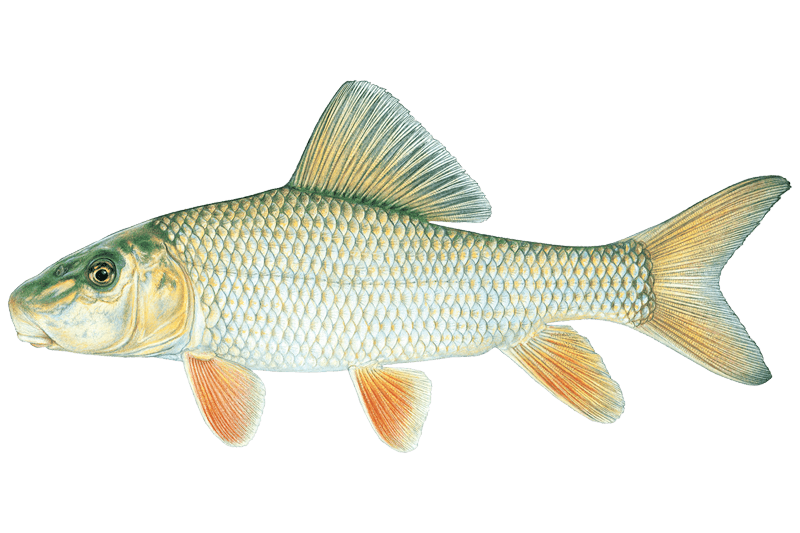
Silver Redhorse
Moxostoma anisurum
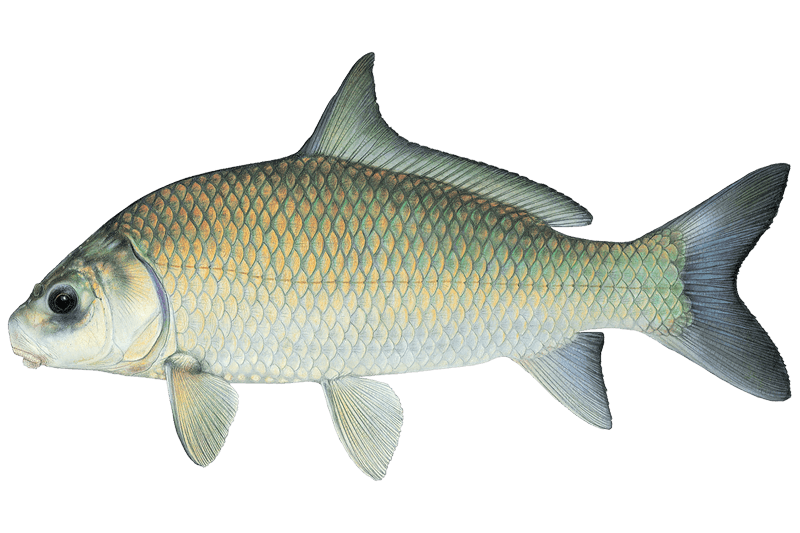
Smallmouth Buffalo
Ictiobus bubalus
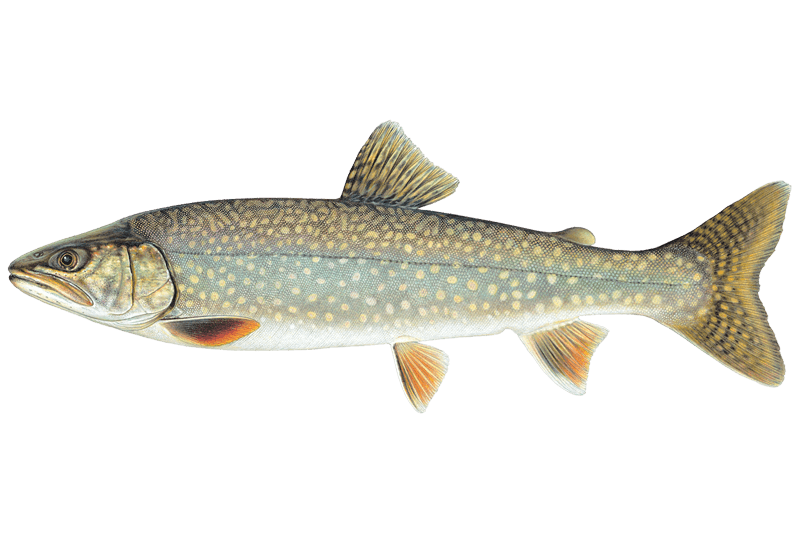
Splake

Bowfin
Amia calva
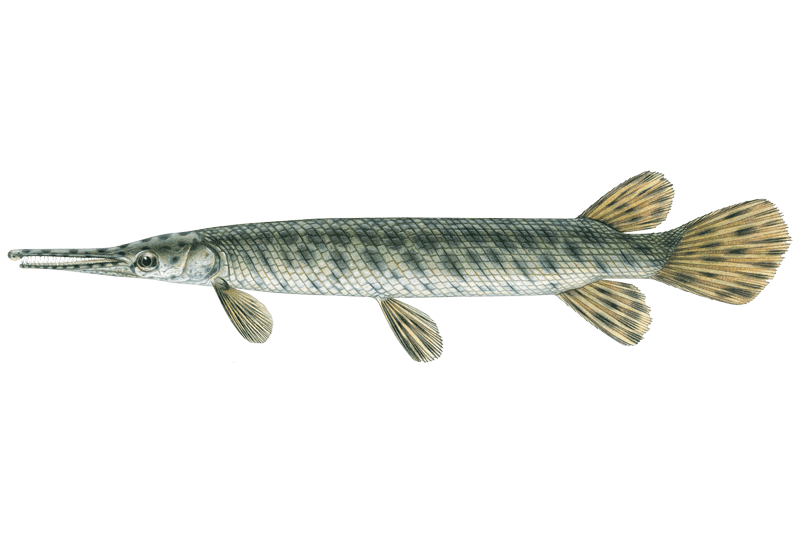
Spotted Gar
Lepisosteus oculatus

Broad Whitefish
Coregonus nasus
Spotted Sucker
Minytrema melanops

Threespine Stickleback

Smarter Fishing Starts in the App.
onWater Fish gives you everything you need to plan smarter, fish better, and own every trip from first cast to last.