Black Bear Island Lake
- Boat Ramps
- 0
- Access Points
- 0
- Species
- 0
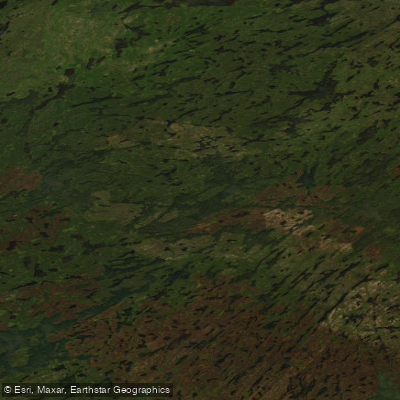
Black Bear Island Lake is a massive, irregularly shaped lake sprawling across the Canadian Shield in central Saskatchewan, sitting approximately 63 kilometres north-northwest of La Ronge. Part of the famous Churchill River System — a remarkable chain of interconnected lakes flowing west to east — the lake covers roughly 35,124 acres with an extraordinary 511 miles of shoreline, a testament to its deeply convoluted, island-studded character. There is no road access to Black Bear Island Lake whatsoever, and no communities exist along its shores, making it one of Saskatchewan's most remote and pristine fisheries. Access is exclusively by floatplane, departing from La Ronge or Missinipe, which has kept fishing pressure exceptionally low and trophy fish populations thriving. The lake sits firmly within the Canadian Shield, characterized by ancient exposed bedrock, boreal forest, and crystal-clear northern waters. The Churchill River enters the lake from the adjoining Kinosaskaw Lake to the west and exits eastward toward Trout Lake, marked by Birch Falls and Birch Portage at the outflow. The surrounding landscape is a wilderness of lakes, forest, rushing waterfalls, and remarkable cultural history, including Indigenous rock paintings near High Rock Narrows at the western end of the lake that date back to the early 1800s.
Species & education
Learn what type of fish are at Black Bear Island Lake and what's needed to catch them.
No species information available.
Fishing spots, boat ramps & amenities
Learn how to get on Black Bear Island Lake. Uncover great fishing access points, boat ramps, and all the facilities you need for an unforgettable day on the water. Some locations shown may border or include private property. Always check property boundaries and applicable regulations before visiting. onWater's Public & Private Land layer can help you plan your access with confidence.
The lake's 511 miles of shoreline creates an enormous variety of productive fishing structure. Guides at Black Bear Island Lodge work over 56 miles of water across the Churchill River System, targeting specific honey holes that concentrate trophy fish. High Rock Narrows near the western end of the lake is a notable geographic feature where current and structure combine to attract fish. The lake's many islands, rocky points, bays, and narrows all provide classic Canadian Shield pike and walleye habitat. The outflow area near Birch Falls and Birch Portage, where the lake drains toward Trout Lake, is a natural fish congregation point. The lake's inflow from Kinosaskaw Lake on the western end similarly provides current-related structure that attracts fish.
Know where you can legally fish on Black Bear Island Lake
See public and private land boundaries along the water, turn on private parcels with owner details to know where permission is required, and find land-trust parcels that offer permitted fishing access.
Sk licenses and regulations

Saskatchewan Boating Regulations
This page explains what a Pleasure Craft License is, who needs one, how to apply for one, and how to keep your information up to date.

Saskatchewan Fishing License
Residents and Non-Residents aged 16 and older must have a valid Saskatchewan Angling License.

Saskatchewan Fishing Regulations
Sport fishing in Saskatchewan is regulated by The Fisheries Regulations under The Fisheries (Saskatchewan) Act, 2020. Below is a summary of the major regulations, which apply to all provincial Crown waters in Saskatchewan, excluding federal waters (e.g. Prince Albert National Park), and must be complied with at all times. Complete copies of the Act and Regulations may be obtained from the Publications Centre or by calling 1-800-226-7302.
Saskatchewan Stream Access Laws
Saskatchewan is divided into three management zones for angling regulation.
Take Black Bear Island Lake with you
The onWater Fish app keeps this water's access points, species and conditions in your pocket, with the tools you use once you're there.
Use the map without signal
Download the map around Black Bear Island Lake to use it offline when coverage drops.
Log your catches here
Keep a private fishing journal for Black Bear Island Lake to find where and when fish are biting for you.
HD depth charts from Garmin
Find drop offs, ledges, channels, points and shallow flats with Garmin depth charts in the app.
Get the onWater Fish app
Free on iOS and Android
Water and weather conditions (10 day forecast)
See the best times to fish Black Bear Island Lake and check the forecast before you go.
No forecast data available.
Fishing near Black Bear Island Lake
North Saskatchewan River
Spruce River
Sturgeon River
Rivière Saskatchewan Sud
Rivière Saskatchewan
Carrot River
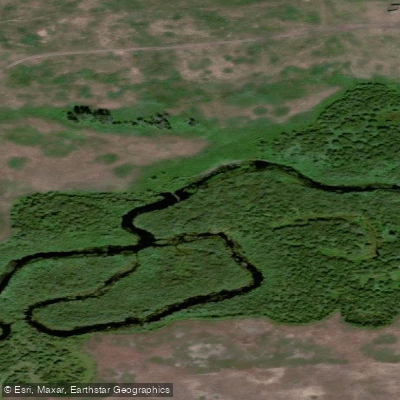
Shell Brook
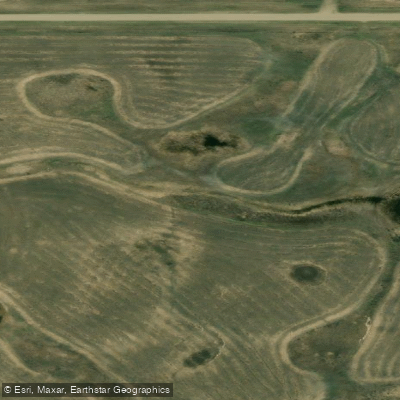
McFarlane Creek
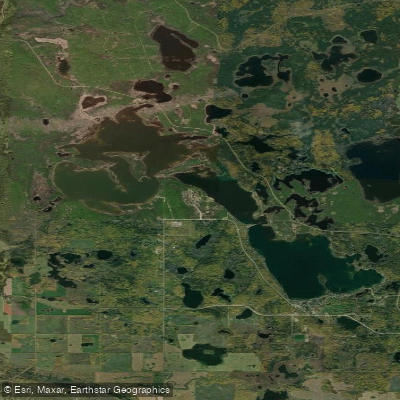
Emma Lake
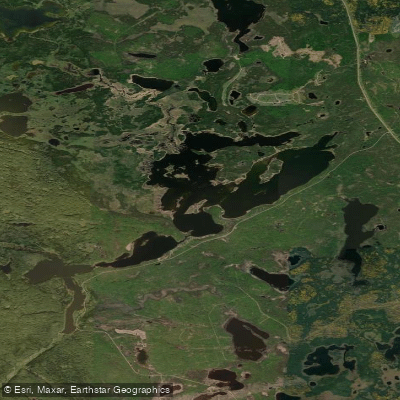
Anglin Lake
Explore Canada waters
Top fishing waters
No waters available right now.
Explore near Black Bear Island Lake
Smarter Fishing Starts in the App.
onWater Fish gives you everything you need to plan smarter, fish better, and own every trip from first cast to last.