Lanyard Passage
- Saltwater
- Strait
- Saltwater
- Strait
- Sq. miles
- 0.1
- Boat Ramps
- 0
- Access Points
- 0
- Species
- 0
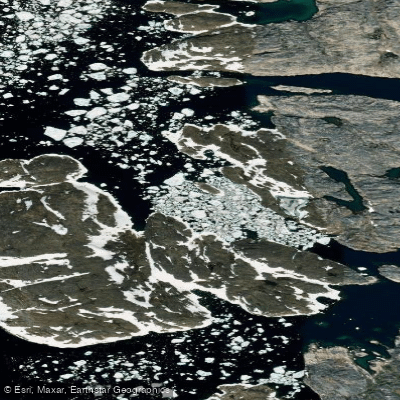
Lanyard Passage is a narrow, tidal strait located in the remote waters of Nunavut, Canada, near the entrance to Hudson Strait. It separates Boatswain and Radio Islands from the mainland coastline, situated in the vicinity of Resolution Island. This is a challenging, high-latitude marine environment characterized by strong tidal currents, rocky shores, and exposed conditions. The passage is noted primarily in nautical publications as a route suitable only for small craft, with its fishing potential being a pursuit for adventurous anglers seeking pristine Arctic waters.
Species & education
Learn what type of fish are at Lanyard Passage and what's needed to catch them.
No species information available.
Fishing spots, boat ramps & amenities
Learn how to get on Lanyard Passage. Uncover great fishing access points, boat ramps, and all the facilities you need for an unforgettable day on the water. Some locations shown may border or include private property. Always check property boundaries and applicable regulations before visiting. onWater's Public & Private Land layer can help you plan your access with confidence.
Underwater structure is key. The rocky islands and reefs that flank Lanyard Passage create prime habitat. Specific spots include the tide rips occurring off Radio Island, Trident Island, Entry Islands, and Boatswain Island. The shoals lying off most shores of nearby Acadia Cove also provide structure, as do the drying rock flats and reefs noted in the bays near Hatton Headland and Tusk Island. These areas of turbulent water and submerged rocks attract baitfish and predators.
Know where you can legally fish on Lanyard Passage
See public and private land boundaries along the water, turn on private parcels with owner details to know where permission is required, and find land-trust parcels that offer permitted fishing access.
Nu licenses and regulations

Nunavut Boating Regulations
This page explains what a Pleasure Craft License is, who needs one, how to apply for one, and how to keep your information up to date.

Nunavut Fishing License
Government of Nunavut Sport Fishing Guide — the authoritative source for who needs a sport fishing licence (resident, Canadian-resident, non-resident categories, age and Nunavut Agreement beneficiary exemptions) and where to obtain one. Licences are sold at lodges, sporting-goods and convenience stores, and some RCMP offices.

Nunavut Fishing Regulations
DFO's recreational fishing regulations hub, with a dedicated Nunavut section linking the Nunavut Sport Fishing Guide. Nunavut sport fishing is currently regulated federally under the Northwest Territories Fishery Regulations; current catch limits, seasons and gear rules are in the Government of Nunavut Sport Fishing Guide.

Nunavut Stream Access Laws
Angler access in Nunavut is governed by the Nunavut Agreement land claim, which controls access to Inuit-Owned Lands and waters with Inuit harvesting rights; the Government of Nunavut Sport Fishing Guide is the closest official angler-facing resource on access.
Take Lanyard Passage with you
The onWater Fish app keeps this water's access points, species and conditions in your pocket, with the tools you use once you're there.
Use the map without signal
Download the map around Lanyard Passage to use it offline when coverage drops.
Log your catches here
Keep a private fishing journal for Lanyard Passage to find where and when fish are biting for you.
Get the onWater Fish app
Free on iOS and Android
Tides, wind & water conditions (10 day forecast)
On open water, wind and tide matter as much as the weather. See the best times to fish Lanyard Passage and check the marine forecast before you launch.
Loading tide predictions…
Fishing near Lanyard Passage
Niaqunguk River
Iqalliarvik Lake
Frobisher Bay
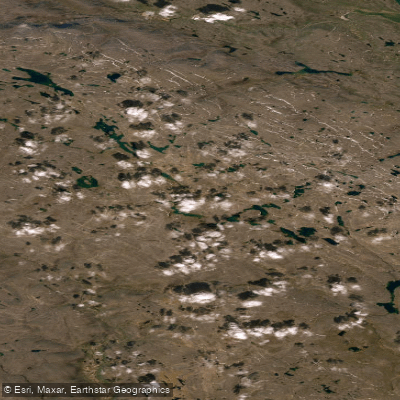
Armshow River
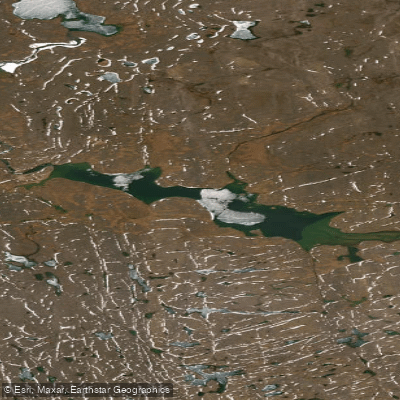
McKeand River
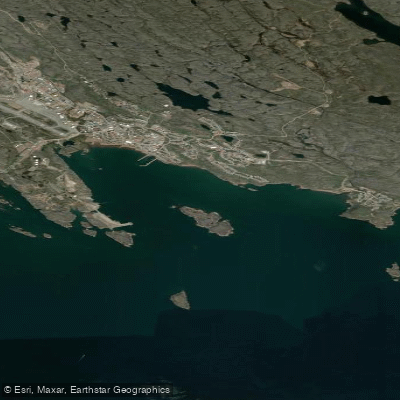
Koojesse Inlet
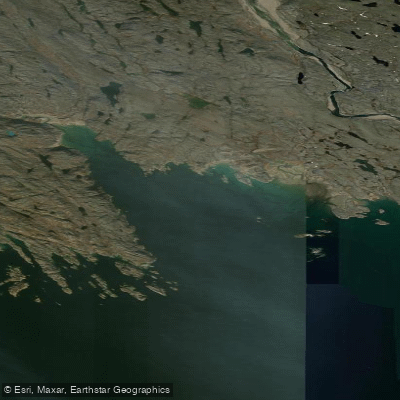
Peterhead Inlet
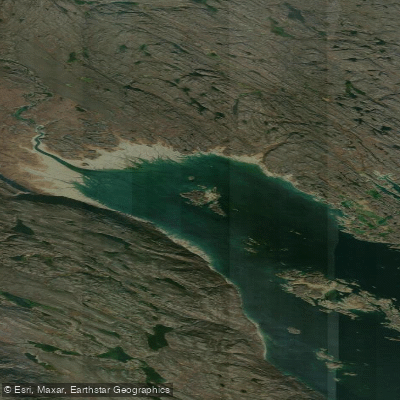
Foul Inlet
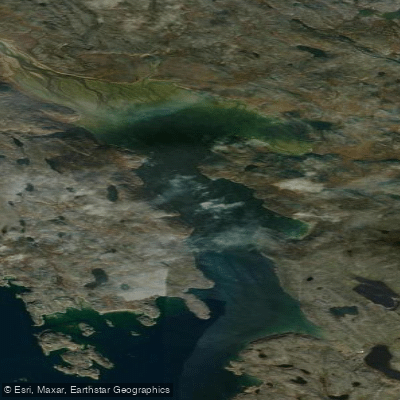
ᑕᓯᐅᔭᕐᔪᐊᓛᖅ Burton Bay
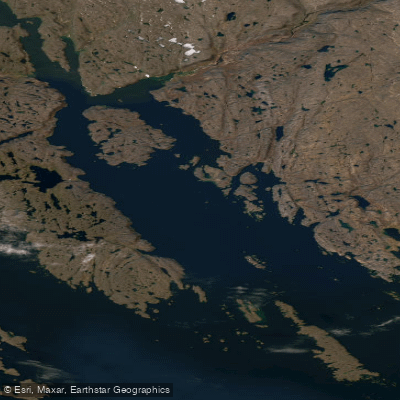
Ward Inlet
Explore Canada waters
Top fishing waters
No waters available right now.
Explore near Lanyard Passage
Smarter Fishing Starts in the App.
onWater Fish gives you everything you need to plan smarter, fish better, and own every trip from first cast to last.